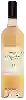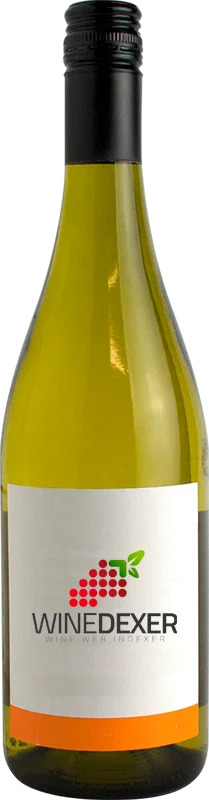
Winery Bending BranchLost Pirogue Vineyard Estate Picpoul Blanc
 White wine


This wine generally goes well with

Wine flavors and olphactive analysis



On the nose the Lost Pirogue Vineyard Estate Picpoul Blanc of Winery Bending Branch in the region of Texas often reveals types of flavors of microbio, oak or tree fruit and sometimes also flavors of citrus fruit, tropical fruit.
Details and technical informations about Winery Bending Branch's Lost Pirogue Vineyard Estate Picpoul Blanc.
Discover the grape variety: Faberrebe
Aromatic, fine whites with a pale golden robe, an airy palate with preserved acidity, and signature muscat, white flower (acacia, elderflower), white fruit (apple, pear) aromas with delicate floral notes. Also vinified as off-dry styles. Grown in the Rhine and Franconia regions for dry and off-dry aromatic whites. German white grape obtained in 1929 by Georg Scheu in Alzey (Weißburgunder × Müller-Thurgau).
Last vintages of this wine
The best vintages of Lost Pirogue Vineyard Estate Picpoul Blanc from Winery Bending Branch are 0
Informations about the Winery Bending Branch
The Winery Bending Branch is one of of the world's great estates. It offers 46 wines for sale in the of Texas Hill Country to come and discover on site or to buy online.

The wine region of Texas Hill Country
Central Texas AVA (3rd largest in the country), ~100 wineries. Mediterranean and Rhône varieties signature, suited to hot, dry climate. Tempranillo signature red: supple, fruity with signature notes of ripe cherry, plum, leather, tobacco and spice hint, round tannins and sun-drenched palate. Peppery Syrah, dense Mourvèdre, accessible Sangiovese.
The wine region of Texas
5th US producer with a Mediterranean style suited to the heat. Signature Tempranillo as red: fleshy and fruity with notes of ripe cherry, plum and sweet spices, round tannins. Also dense Tannat, spicy Mourvèdre, juicy Sangiovese, peppery Syrah. Suited aromatic whites: full Viognier (apricot, flowers), saline Vermentino, lively Albariño.
The word of the wine: Wiring
Action of periodically filling barrels containing wine, in order to offset evaporation and maintain a maximum level. The topping up allows to avoid the phenomenon of oxidation.