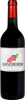
Winery Bending BranchHoover Valley Vineyard Comfortage
 White wine



This wine generally goes well with

Wine flavors and olphactive analysis


On the nose the Hoover Valley Vineyard Comfortage of Winery Bending Branch in the region of Texas often reveals types of flavors of non oak, oak or tree fruit and sometimes also flavors of spices, citrus fruit.
Details and technical informations about Winery Bending Branch's Hoover Valley Vineyard Comfortage.
Discover the grape variety: Roussanne
Aromatic and elegant whites, rich yet lifted by fine freshness, with hawthorn, honeysuckle, apricot, pear, honey, green tea, mineral and herbal notes. Fine ageing potential. Key variety in the great whites of the northern Rhône (Hermitage, Crozes-Hermitage, Saint-Joseph, Saint-Péray) blended with marsanne, and one of the 13 permitted grapes at Châteauneuf-du-Pape. Native Rhône variety.
Last vintages of this wine
The best vintages of Hoover Valley Vineyard Comfortage from Winery Bending Branch are 2015, 0
Informations about the Winery Bending Branch
The Winery Bending Branch is one of of the world's great estates. It offers 46 wines for sale in the of Texas Hill Country to come and discover on site or to buy online.

The wine region of Texas Hill Country
Central Texas AVA (3rd largest in the country), ~100 wineries. Mediterranean and Rhône varieties signature, suited to hot, dry climate. Tempranillo signature red: supple, fruity with signature notes of ripe cherry, plum, leather, tobacco and spice hint, round tannins and sun-drenched palate. Peppery Syrah, dense Mourvèdre, accessible Sangiovese.
The wine region of Texas
5th US producer with a Mediterranean style suited to the heat. Signature Tempranillo as red: fleshy and fruity with notes of ripe cherry, plum and sweet spices, round tannins. Also dense Tannat, spicy Mourvèdre, juicy Sangiovese, peppery Syrah. Suited aromatic whites: full Viognier (apricot, flowers), saline Vermentino, lively Albariño.
The word of the wine: Rafle (taste of)
A taste considered a defect, characterized by an unpleasant astringency and bitterness, brought by the stalk during the vinification process. In order to avoid it, destemming before vinification is a common practice.