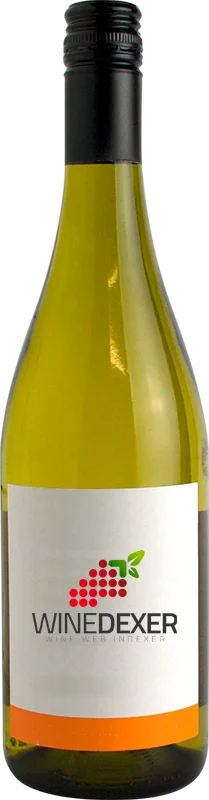
Winery Bell SpringsSympony
 White wine


This wine generally goes well with

Wine flavors and olphactive analysis

On the nose the Sympony of Winery Bell Springs in the region of California often reveals types of flavors of tree fruit, citrus fruit.
Details and technical informations about Winery Bell Springs's Sympony.
Discover the grape variety: Albalonga
Full-bodied aromatic whites with a pale to amber golden robe and an ample palate, with signature muscat aromas, white flowers, apricot and honeyed notes in sweet styles. Mainly sweet and botrytised wines (BA, TBA). Grown on small surfaces in Franconia and the German Palatinate. German white variety obtained in 1951 by Heinrich Birk at Geisenheim (Rieslaner × Sylvaner), early-ripening and productive.
Last vintages of this wine
The best vintages of Sympony from Winery Bell Springs are 0
Informations about the Winery Bell Springs
The Winery Bell Springs is one of of the world's greatest estates. It offers 31 wines for sale in the of Lodi to come and discover on site or to buy online.

The wine region of Lodi
Self-proclaimed world capital of Zinfandel (>40% of premium Californian production): old-vine red king (plantings from 1888) — opulent and jammy with notes of blackberry, plum, raspberry, pepper, liquorice and a tobacco touch, coated tannins. Cabernet, Syrah, Merlot, Tempranillo, Albariño, Barbera and Primitivo in the palette (>100 grapes). Viognier and Chardonnay in whites. Central Californian AVA (1986) east of the bay, Mediterranean climate tempered by the delta.
The wine region of California
Powerful, sunny reds: dense Napa Cabernet Sauvignon (blackcurrant, chocolate, tobacco, ample tannins), spicy, jammy Zinfandel from the Sierra Foothills, silky red-fruited Pinot Noir on the cool coast (Sonoma, Russian River, Central Coast). Opulent, buttery Chardonnay, notes of yellow fruit and vanilla. Varied climate, from the hot interior to the Pacific-cooled coast. 80% of US production, 139 AVAs including Napa (1st AVA, 1981).
The word of the wine: Rebêche (champagne)
Must obtained in excess of the 2 550 litres authorised for a weight of 4 000 kilos of grapes. The first 2 050 litres constitute the cuvée and the next 500 litres the taille. The rebêche represents 1 to 3 % of the total volume and must be distilled or used to make ratafia.