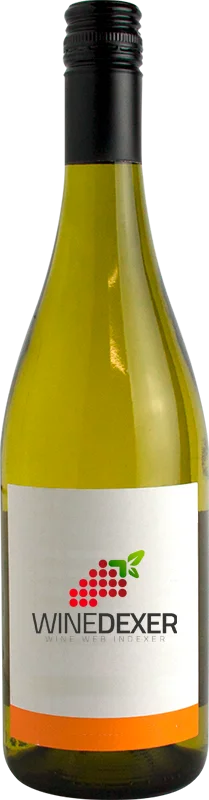
Château de BastardSauternes
 White wine



This wine generally goes well with fruity desserts and blue cheese.
Wine flavors and olphactive analysis





On the nose the Sauternes of Château de Bastard in the region of Bordeaux often reveals types of flavors of apricot, lemon or honey and sometimes also flavors of earth, microbio or tree fruit.
Food and wine pairings with Sauternes
Pairings that work perfectly with Sauternes

Original food and wine pairings with Sauternes
The Sauternes of Château de Bastard matches generally quite well with dishes of fruity desserts or blue cheese such as recipes of apple cake or endive salad with walnuts and blue cheese.
Details and technical informations about Château de Bastard's Sauternes.
Discover the grape variety: Courbu blanc
Native variety of the Pyrenean vineyard that does not correspond to the white form of the courbu noir. It should not be confused with the petit courbu, published genetic analysis has shown that it is related to one or more varieties including the lercat and for more details click here! Courbu blanc is registered in the official catalogue of wine grape varieties, list A1.
Last vintages of this wine
The best vintages of Sauternes from Château de Bastard are 2010
Informations about the Château de Bastard
The Château de Bastard is one of of the world's greatest estates. It offers 3 wines for sale in the of Bordeaux to come and discover on site or to buy online.

The wine region of Bordeaux
Bordeaux, in southwestern France, is one of the most famous, prestigious and prolific wine regions in the world. The majority of Bordeaux wines (nearly 90% of the production Volume) are the Dry, medium and Full-bodied red Bordeaux blends for which it is famous. The finest (and most expensive) are the wines of the great châteaux of Haut-Médoc and the right bank appellations of Saint-Émilion and Pomerol. The former focuses (at the highest level) on Cabernet Sauvignon, the latter on Merlot.
The word of the wine: Bergeron
See roussanne.