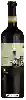
Winery Baroncini1489 Chianti Classico
 wine
wine
This wine generally goes well with
The 1489 Chianti Classico of the Winery Baroncini is in the top 0 of wines of Chianti Classico.

Details and technical informations about Winery Baroncini's 1489 Chianti Classico.
Discover the grape variety: Prié blanc
Lively, light, mineral whites from extreme altitude, with a pale golden robe, an airy, taut palate with preserved acidity, and signature aromas of citrus (lemon), white flowers (acacia), white-fleshed fruits and alpine mineral notes. Also vinified as high-mountain sparkling wines. Star of the Blanc de Morgex et de La Salle DOC (Aosta Valley, vineyards above 1000 m). Autochthonous white grape of the Aosta Valley, naturally resistant to phylloxera at altitude.
Informations about the Winery Baroncini
The Winery Baroncini is one of of the world's great estates. It offers 56 wines for sale in the of Chianti Classico to come and discover on site or to buy online.

The wine region of Chianti Classico
Historic heart of Tuscan Chianti: signature Sangiovese as red king (≥80%) — ruby with garnet glints, elegant and complex with notes of ripe cherry, raspberry, plum, violet, leather and a balsamic touch with ageing, silky tannins and a saline mineral finish. Canaiolo, Colorino or Cabernet/Merlot possible as complements. Riserva and Gran Selezione at the summit. DOCG between Florence and Siena, galestro and alberese soils, continental climate — racy, age-worthy wines.
The wine region of Tuscany
Kingdom of Sangiovese: upright reds with cherry, plum, dried herbs and leather, lively acidity and firm tannins. Fleshy, food-friendly Chianti Classico DOCG, deep long-ageing Brunello di Montalcino (spice, tobacco, ripe black fruit), elegant Vino Nobile di Montepulciano. On the coast, Bolgheri crafts the opulent Cabernet- and Merlot-based 'Super Tuscans'. Some fresh white Vernaccia.
The word of the wine: Tanin
A natural compound contained in the skin of the grape, the seed or the woody part of the bunch, the stalk. The maceration of red wines allows the extraction of tannins, which give the texture, the solidity and also the mellowness when the tannins are "ripe". The winemaker seeks above all to extract the tannins from the skin, the ripest and most noble. The tannins of the seed or stalk, which are "greener", especially in average years, give the wine hardness and astringency. The wines of Bordeaux (based on Cabernet and Merlot) are full of tannins, those of Burgundy much less so, with Pinot Noir containing little.