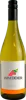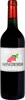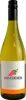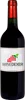
Weingut Kay BambergerSilvaner Mandela Rosengarten Nahe Trocken
 White wine
In the mouth this white wine is a with a nice freshness.
This wine generally goes well with pork, vegetarian or poultry.
Taste structure of the Silvaner Mandela Rosengarten Nahe Trocken from the Weingut Kay Bamberger
Light | Bold | |
Dry | Sweet | |
Soft | Acidic |
In the mouth the Silvaner Mandela Rosengarten Nahe Trocken of Weingut Kay Bamberger in the region of Nahe is a with a nice freshness.
Food and wine pairings with Silvaner Mandela Rosengarten Nahe Trocken
Pairings that work perfectly with Silvaner Mandela Rosengarten Nahe Trocken



Original food and wine pairings with Silvaner Mandela Rosengarten Nahe Trocken


The Silvaner Mandela Rosengarten Nahe Trocken of Weingut Kay Bamberger matches generally quite well with dishes of veal, pork or vegetarian such as recipes of grenadins of veal with ceps, endive frichti or vegan leek and tofu quiche.
Details and technical informations about Weingut Kay Bamberger's Silvaner Mandela Rosengarten Nahe Trocken.
Discover the grape variety: Hibou noir
Very old grape variety cultivated in northern Italy in the Piedmont region. It would have been introduced in Savoy at the beginning of the 17th century. An A.D.N. study, dating from 2011, shows that Hibou noir and Avana are one and the same variety. It should also be noted that Amigne is its half-sister, Rèze its grandmother and Rouge du Pays (a variety from the Swiss Valais) its grandfather.
Informations about the Weingut Kay Bamberger
The Weingut Kay Bamberger is one of of the world's greatest estates. It offers 6 wines for sale in the of Nahe to come and discover on site or to buy online.

The wine region of Nahe
Nahe is one of the smaller German wine regions, named after the Nahe river which joins the Rhein at Rheinhessen/bingen">Bingen. The viticultural carea here is characterised by dramatic topography with steep slopes and craggy outcrops of metamorphic rock. Like most of the regions on or near the Rhine, its most prestigious wines are made from Riesling. There are around 4,000 hectares (10,000 acres) of Vineyards, spread across seven Grosslagen (wine districts) and over 300 Einzellagen (individual vineyard sites).
The word of the wine: Size (champagne)
Juices that flow from the press after the cuvée, at the second pressing. Less fine, often more vegetal, it is mainly used to make the first price champagnes.