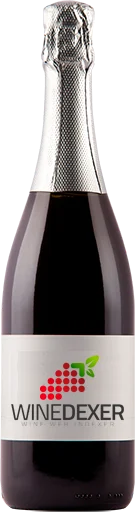
Winery BallabioFarfalla Noir Collection Rosé
 Sparkling wine



This wine generally goes well with

Details and technical informations about Winery Ballabio's Farfalla Noir Collection Rosé.
Discover the grape variety: Eyholzer
Light, fruity altitude reds with a clear ruby colour, soft tannins and an airy palate, showing signature aromas of cherry, wild strawberry, gentle spices and fresh alpine notes. Heritage and original profile. Grown in very small quantities, part of the heritage varieties of the Valais, preserved by a few winemakers in search of authenticity. Swiss autochthonous black variety grown in the Upper Valais, in the Viège area.
Last vintages of this wine
The best vintages of Farfalla Noir Collection Rosé from Winery Ballabio are 0
Informations about the Winery Ballabio
The Winery Ballabio is one of of the world's greatest estates. It offers 19 wines for sale in the of Casteggio to come and discover on site or to buy online.

The wine region of Casteggio
Lombardian DOC at the heart of the Oltrepò Pavese (Pavia), cradle of northern Piedmontese red. Barbera is the dominant signature (≥65%) — structured red king with intense cherry, plum, blackberry and spicy hint, lively acidity and firm tannins. Croatina full-bodied, Uva Rara, Vespolina and Pinot Noir (≤35%) as complements. 24-month ageing, 12 in wood.
The wine region of Lombardia
Three poles. Franciacorta DOCG, Italy's answer to Champagne: elegant brioche traditional-method sparklers (Chardonnay, Pinot Noir, Pinot Blanc), fine bubble and mineral profile. Alpine Valtellina: Nebbiolo (alias Chiavennasca) with fine tannins and red fruits, powerful Sforzato passito. Oltrepò Pavese: fresh Pinot Noir and fruity-sparkling Bonarda.
The word of the wine: Piccolo
Small bottle with a capacity of 20 centilitres.


