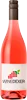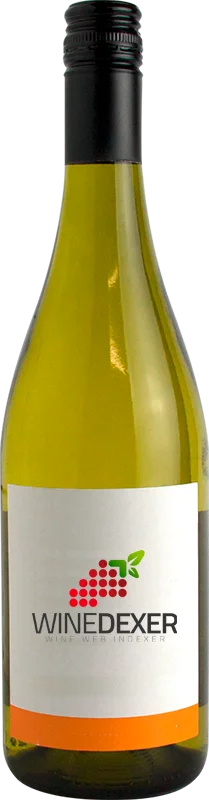
Winery BalconaMabal Blanco
 White wine



This wine generally goes well with

Details and technical informations about Winery Balcona's Mabal Blanco.
Discover the grape variety: Räuschling
Lively and elegant whites with fine tension, a pale golden colour, a light palate with preserved acidity and signature aromas of citrus (lemon), white flowers, white-fleshed fruits (green apple) and mineral notes. A rediscovered heritage variety. Grown mainly in the canton of Zurich (lake shores), it produces characterful artisan cuvées. Ancient Swiss white variety, nearly extinct, now preserved for its heritage value.
Last vintages of this wine
The best vintages of Mabal Blanco from Winery Balcona are 0
Informations about the Winery Balcona
The Winery Balcona is one of of the world's greatest estates. It offers 8 wines for sale in the of Bullas to come and discover on site or to buy online.

The wine region of Bullas
Spanish DO northwest of Murcia between Sierra de Espuña and Sierra del Carche, 500-1000 m altitude vineyards on calcareous soils, continental Mediterranean climate with cool nights. Monastrell red king (~90%, old ungrafted vines): more elegant and fresher altitude version than Jumilla — black cherry, blackberry, plum, scrubland herbs, pepper, firm tannins and brilliant fruit. Tempranillo, Syrah, Cabernet complementary. Macabeo and Airén in crisp whites.
The wine region of Murcie
Wine region of southeastern Spain on sunny high plateaus, 3 DOs fanning out: Jumilla, Yecla, Bullas. Monastrell (Mourvedre) reigns in red (~80% of the vineyard): dense and sunny with signature notes of black mulberry, candied black cherry, garrigue, leather, liquorice and a sweet spice touch, firm tannins and a warm palate — pomegranate robe, sustained alcohol, often own-rooted. Round Grenache, supple Tempranillo, peppery Syrah. Southern wines with outstanding value.
The word of the wine: Sommelier
Person working in a restaurant and responsible for the wine service. The head sommelier is responsible for putting together the wine list, managing the sommelier brigade, and ensuring the sale of wines according to the dishes (food and wine pairing).