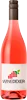
Winery BackpackSnappy White
 wine
wine
This wine generally goes well with
The Snappy White of the Winery Backpack is in the top 0 of wines of Wahluke Slope.

Details and technical informations about Winery Backpack's Snappy White.
Discover the grape variety: Cabernet-Dorsa
Very deeply coloured, structured reds with an inky robe, firm tannins and fresh acidity, with intense aromas of blackcurrant, blackberry, plum, pepper, spice and herbal blackcurrant-leaf notes. Dense palate, persistent finish. Grown in Germany (Württemberg, Palatinate, Rheinhessen) for modern-styled dry reds and blends seeking colour and substantial structure. German variety created in 1971 in Weinsberg, a cross of Dornfelder × Cabernet Sauvignon.
Informations about the Winery Backpack
The Winery Backpack is one of of the world's greatest estates. It offers 3 wines for sale in the of Wahluke Slope to come and discover on site or to buy online.

The wine region of Wahluke Slope
Warm well-drained Washington AVA (Columbia Valley, Grant County) facing south over the Columbia: Cabernet Sauvignon signature king red — opulent and ripe with notes of blackcurrant, black cherry, blackberry, chocolate, cedar and spice touch, round tannins and long finish. Dense savoury Syrah as companion (blackberry, blueberry, pepper, smoked meat). Fleshy Merlot also signature. AVA (2006), constant southern slope, deep aeolian sands, dry continental, ~20% of state harvest.
The wine region of Washington
2nd US producer by volume, on the arid, sunny Columbia Valley. Star Cabernet Sauvignon (~60% of reds): powerful and structured with signature notes of blackcurrant, blackberry, cedar, dry herbs and graphite, firm tannins. Fleshy, peppery Syrah (black fruits, smoked meat). Round, fruity Merlot, historic mineral Riesling (dry and off-dry), precise Chardonnay and ample Sémillon.
The word of the wine: Draft liquor (champagne)
After blending, the wine is bottled with a liqueur de tirage (a mixture of sugar and wine) and a yeast (selected yeasts). The yeast attacks the sugar and creates carbon dioxide. The fermentation, which lasts about two months, is prolonged by an ageing period (15 months minimum in total). The bottle is capped (some rare vintages are capped with a staple and a cork).