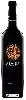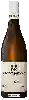
Winery AzaniaChardonnay - Sauvignon Blanc
 wine
wine
This wine generally goes well with
The Chardonnay - Sauvignon Blanc of the Winery Azania is in the top 0 of wines of Western Cape.

Details and technical informations about Winery Azania's Chardonnay - Sauvignon Blanc.
Discover the grape variety: Grolleau
Vibrant and fruity rosés with a pale salmon colour, a tender palate and fresh acidity, on aromas of strawberry, raspberry, redcurrant, candy and spring flowers. Light and thirst-quenching finish. Star of Rosé d'Anjou AOC (a pleasing off-dry rosé) and backbone of Loire and Touraine rosés. Occasionally vinified as light reds and sparkling rosés. Native Loire grape from Anjou and Touraine, once the most widely planted variety in Anjou before Cabernet Franc.
Informations about the Winery Azania
The Winery Azania is one of of the world's greatest estates. It offers 5 wines for sale in the of Western Cape to come and discover on site or to buy online.

The wine region of Western Cape
Cradle of South African wine. Signature Chenin Blanc (Steen, 20%) in ample, fresh whites with notes of quince, yellow apple, honey and acacia flower, from crisp dry to sweet. Sharp, iodised Sauvignon Blanc (Walker Bay, Constantia), balanced Chardonnay. Reds: emblematic Pinotage with roasted aromas (coffee, plum, smoke), firm Cabernet Sauvignon, spicy Syrah.
The word of the wine: Filtration
Clarification of the wine using filters.