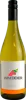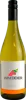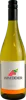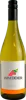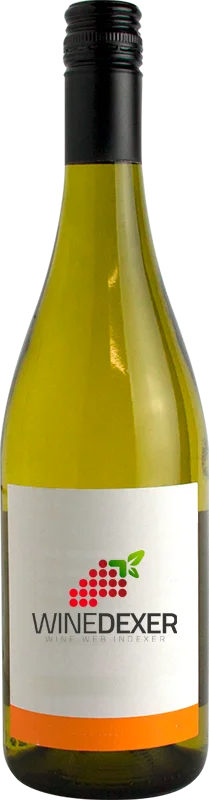
Winery AvereștiHerb Tămâioasă Românească - Sauvignon Blanc Demisec
 White wine


This wine generally goes well with vegetarian, rich fish (salmon, tuna etc) or shellfish.

Food and wine pairings with Herb Tămâioasă Românească - Sauvignon Blanc Demisec
Pairings that work perfectly with Herb Tămâioasă Românească - Sauvignon Blanc Demisec



Original food and wine pairings with Herb Tămâioasă Românească - Sauvignon Blanc Demisec
The Herb Tămâioasă Românească - Sauvignon Blanc Demisec of Winery Averești matches generally quite well with dishes of rich fish (salmon, tuna etc), shellfish or vegetarian such as recipes of whole salmon in aromatic broth, scupion (small cuttlefish) in hot sauce or nanie's diced ham quiche.
Details and technical informations about Winery Averești's Herb Tămâioasă Românească - Sauvignon Blanc Demisec.
Discover the grape variety: Fontanara
Simple, fresh whites to drink young with a pale golden robe, airy palate with moderate acidity, showing discrete white flower, white-fleshed fruit and neutral aromas. Accessible thirst-quenching profile. Blended with Trebbiano and Verdicchio, it adds freshness without dominating in the whites of Marche and Umbria. Italian white variety grown in central Italy, confidential and heritage.
Last vintages of this wine
The best vintages of Herb Tămâioasă Românească - Sauvignon Blanc Demisec from Winery Averești are 0, 2018
Informations about the Winery Averești
The Winery Averești is one of of the world's great estates. It offers 42 wines for sale in the of Moldova to come and discover on site or to buy online.

The wine region of Moldova
Eastern European wine country among the world's most densely planted. Whites dominate (~70%) as signatures. Native Fetească Albă with signature notes of white flowers, pear, citrus and a honeyed touch, tense palate — Moldova's soul. Also ample Chardonnay, mineral Rkatsiteli, straight Aligoté.
The word of the wine: Rosé de saignée
A method of making rosé wine that consists of partially draining a vat of red wine after a few hours of maceration. The longer the maceration, the stronger the colour. This practice gives rich and expressive rosés.