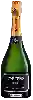
Winery AuroraGrape Juice Tinto
 Sweet wine


This wine generally goes well with

Details and technical informations about Winery Aurora's Grape Juice Tinto.
Discover the grape variety: Timorasso
Structured, complex dry whites with a pale golden robe, an ample palate and a cutting acidity, showing signature aromas of citrus (lemon, grapefruit), yellow fruits (pear, peach), white flowers, honey and hydrocarbon mineral notes (signature, aged-Riesling-like). Fine ageing and cellaring potential. The star of Colli Tortonesi DOC, a successful ampelographic revival in modern Piedmont. An indigenous Piedmontese variety rediscovered in the 1980s by Walter Massa.
Last vintages of this wine
The best vintages of Grape Juice Tinto from Winery Aurora are 0
Informations about the Winery Aurora
The Winery Aurora is one of of the world's great estates. It offers 54 wines for sale in the of Serra Gaúcha to come and discover on site or to buy online.

The wine region of Serra Gaúcha
Brazil's wine capital, Rio Grande do Sul. Specialty: high-quality traditional-method sparklers, fine and fruity (apple, citrus, white flowers), elegant bubble, alpine expression of the south. Still wines mostly European: round fruity Merlot, firm Cabernet Sauvignon, more tannic Tannat, fresh Chardonnay, supple Riesling Italico, fine Pinot Noir. Marked by Italian immigration in 1875, humid climate tempered by altitude.
The wine region of Rio Grande do Sul
Brazil's winemaking heart (~80% of production), Italian tradition. Recognised specialty: traditional-method sparkling wines (espumantes), fresh and fruity, based on Chardonnay and Pinot Noir, among South America's finest. Accessible reds: supple, fruity Merlot (plum, cherry), fleshy Cabernet Sauvignon, dense, tannic Tannat. Round Chardonnay, light Riesling Italico, sweet, floral Moscato whites.
The word of the wine: Malolactic fermentation
Called second fermentation or malo for short. It is the degradation (under the effect of bacteria) of the malic acid naturally present in the wine into milder, less aggressive lactic acid. Some producers or wineries refuse this operation by "blocking the malo" (by cold and adding SO2) to keep a maximum of acidity which carries the aromas and accentuates the sensation of freshness.