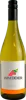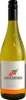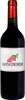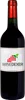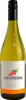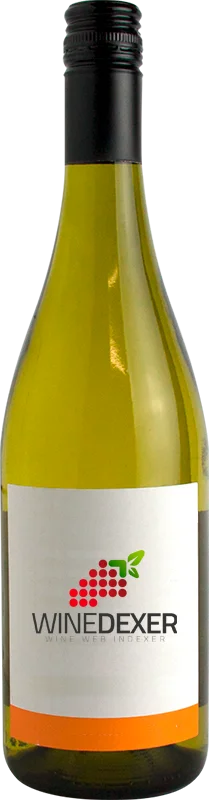
Winery ArborBrookMLH Sauvignon Blanc
 White wine


This wine generally goes well with vegetarian, rich fish (salmon, tuna etc) or shellfish.

Food and wine pairings with MLH Sauvignon Blanc
Pairings that work perfectly with MLH Sauvignon Blanc



Original food and wine pairings with MLH Sauvignon Blanc
The MLH Sauvignon Blanc of Winery ArborBrook matches generally quite well with dishes of rich fish (salmon, tuna etc), shellfish or vegetarian such as recipes of tuna gratin, tagliatelle with shrimps or zucchini quiche.
Details and technical informations about Winery ArborBrook's MLH Sauvignon Blanc.
Discover the grape variety: Bogazkere
Powerful, tannic reds with an almost black ink-dark robe, firm, astringent tannins and a dense palate, showing intense aromas of blackberry, blackcurrant, black plum, leather, spices, tobacco and balsamic notes. Fine ageing potential. Star of the great Turkish reds on the arid terroirs of south-east Anatolia (Diyarbakır region, Tigris valley), often blended with öküzgözü to soften its structure. Autochthonous Anatolian variety, its name means "throat-burner" in Turkish.
Last vintages of this wine
The best vintages of MLH Sauvignon Blanc from Winery ArborBrook are 0
Informations about the Winery ArborBrook
The Winery ArborBrook is one of of the world's great estates. It offers 13 wines for sale in the of Oregon to come and discover on site or to buy online.

The wine region of Oregon
American benchmark for fresh, elegant Pinot Noir. Fine, silky reds with signature notes of red cherry, raspberry, wild strawberry, undergrowth and spice, delicate tannins and taut freshness — the closest style to Burgundy outside France. Iconic Willamette Valley on volcanic (Jory) and marine soils. Also precise, mineral Chardonnay, ample Pinot Gris (pear, honey), taut Riesling.
The word of the wine: Deposit
Solid particles that can naturally coat the bottom of a bottle of wine. It is rather a guarantee that the wine has not been mistreated: in fact, to avoid the natural deposit, rather violent processes of filtration or cold passage (- 7 or - 8 °C) are used in order to precipitate the tartar (the small white crystals that some people confuse with crystallized sugar: just taste to dissuade you from it)