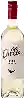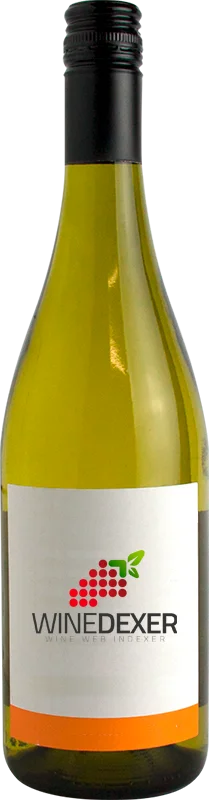
Winery Las TunasChardonnay - Torrontes
 White wine


This wine generally goes well with pork, vegetarian or poultry.

Wine flavors and olphactive analysis

On the nose the Chardonnay - Torrontes of Winery Las Tunas in the region of San Juan often reveals types of flavors of citrus fruit.
Food and wine pairings with Chardonnay - Torrontes
Pairings that work perfectly with Chardonnay - Torrontes



Original food and wine pairings with Chardonnay - Torrontes



The Chardonnay - Torrontes of Winery Las Tunas matches generally quite well with dishes of pork, rich fish (salmon, tuna etc) or spicy food such as recipes of baked pumpkin, fish balls or samoussa 3 reunionese cheeses.
Details and technical informations about Winery Las Tunas's Chardonnay - Torrontes.
Discover the grape variety: Chardonnay
Whites with many faces: mineral and taut at Chablis (lemon, green apple, flint), opulent and buttery at Meursault and Puligny-Montrachet (hazelnut, brioche, yellow fruits), tense and chalky in Champagne (Blanc de Blancs). Also vinified sparkling and widely exported (Sonoma, Margaret River, Casablanca). A Burgundian variety, a cross of Pinot Noir × Gouais Blanc, half-sibling of Aligoté.
Last vintages of this wine

The best vintages of Chardonnay - Torrontes from Winery Las Tunas are 2016, 2014, 0, 2015 and 2012.
Informations about the Winery Las Tunas
The Winery Las Tunas is one of of the world's greatest estates. It offers 3 wines for sale in the of San Juan to come and discover on site or to buy online.

The wine region of San Juan
Argentina's 2nd province by volume, a very sunny Andean oasis (<30 cloudy days/year). Signature Syrah (~22% of Argentine Syrah): intense, sun-drenched reds with signature notes of blackberry, black plum, pepper, olive, violet and sweet spice, round tannins and vivid fruit. Also fleshy Malbec, supple Bonarda, spicy Tempranillo. Floral, muscat Torrontes and ample Chardonnay in white.
The word of the wine: Drawing (liqueur de)
In champagne and sparkling wines of traditional method, addition to the wine, at the time of bottling (tirage) of sugars and yeasts dissolved in wine. These components will provoke the second fermentation in the bottle leading to the formation of carbon dioxide bubbles.