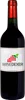
Winery Alto MolinoRosé
 wine
wine
This wine generally goes well with
The Rosé of the Winery Alto Molino is in the top 0 of wines of Cafayate Valley.
Details and technical informations about Winery Alto Molino's Rosé.
Discover the grape variety: Grenache
Grenache noir is a grape variety that originated in Spain. It produces a variety of grape specially used for the elaboration of wine. It is rare to find this grape to eat on our tables. This variety of grape is characterized by medium to large bunches, and grapes of medium size. Grenache noir can be found in many vineyards: South West, Cognac, Bordeaux, Provence & Corsica, Languedoc & Roussillon, Rhone Valley, Loire Valley, Savoie & Bugey, Beaujolais.
Informations about the Winery Alto Molino
The Winery Alto Molino is one of of the world's greatest estates. It offers 6 wines for sale in the of Cafayate Valley to come and discover on site or to buy online.

The wine region of Cafayate Valley
The wine region of Cafayate Valley is located in the region of Calchaqui Valley of Salta of Argentina. Wineries and vineyards like the Domaine Matervini or the Domaine Domingo Molina produce mainly wines red, white and pink. The most planted grape varieties in the region of Cafayate Valley are Malbec, Cabernet-Sauvignon and Tannat, they are then used in wines in blends or as a single variety. On the nose of Cafayate Valley often reveals types of flavors of pineapple, toasty or mulberry and sometimes also flavors of oregano, bramble or black plum.
The wine region of Salta
Salta, in the far North of Argentina, is home to some of the world's most extreme Vineyard sites. As is the case in Catamarca to the South and Jujuy to the northwest, Salta's vineyards are often located amid mountainous terrain with some reaching altitudes of just over 3,000 meters (9840ft) above sea level. The viticultural area is mainly concentrated to Cafayate of the Calchaqui Valley. Argentina's signature Grape varieties of Torrontes and Malbec are Salta's top performers, producing Bright, intensely flavored wines.
The word of the wine: Aranean
The underside of a grape leaf blade covered with tiny hairs distributed in a web-like pattern.