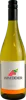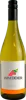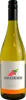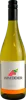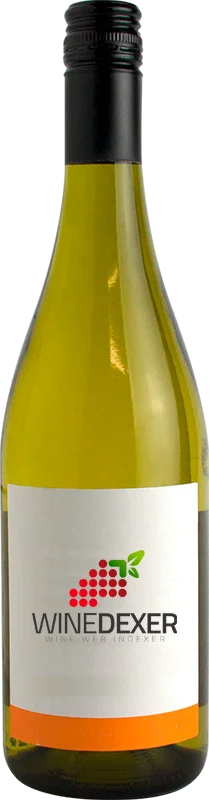
Winery AichingerA1 Gemischter Satz
 White wine



This wine generally goes well with

Details and technical informations about Winery Aichinger's A1 Gemischter Satz.
Discover the grape variety: Trebbiano Toscano
Neutral, fresh dry whites with a pale golden robe, a supple palate and preserved acidity, with subtle aromas of citrus (lemon), white flowers and herbal notes. A rustic, productive profile. Component of Italian DOC whites (Vin Santo, white Chianti), massively used for Cognac distillation (as Ugni Blanc) and Jerez brandy. The most widely planted Trebbiano variety in Italy, grown mainly in Tuscany and Emilia-Romagna.
Last vintages of this wine
The best vintages of A1 Gemischter Satz from Winery Aichinger are 0
Informations about the Winery Aichinger
The Winery Aichinger is one of of the world's great estates. It offers 22 wines for sale in the of Wiener Gemischter Satz to come and discover on site or to buy online.

The wine region of Wiener Gemischter Satz
Unique Viennese DAC in Austria defined by method (2013): signature blend of ≥3 white varieties co-planted, co-harvested and co-vinified as ruling white — typical Grüner Veltliner, Pinot Blanc, Welschriesling, Chardonnay (max 50% each, 3rd ≥10%), complemented by Riesling, Rotgipfler, Zierfandler, Traminer. Signature complex profile with vivid citrus, herbs and white flowers mingled with tropical fruits (melon, pineapple), dry without pronounced oak. Historic urban vineyards.
The wine region of Weinland
Vast German-speaking region in north-eastern Switzerland, the country's largest production area. Signature Pinot Noir (Blauburgunder): fine, fresh reds with notes of cherry, raspberry, undergrowth and sweet spices, silky tannins. Elegant, delicate style, often barrel-aged. Also light, floral Müller-Thurgau (Riesling-Sylvaner), lively, lemony native Räuschling, ample Pinot Gris.
The word of the wine: Viscosity
Consistency of wine reminiscent of the tactile sensation of sugar syrup with varying degrees of fluidity, due to the alcohol and natural sugar in the grapes present in sweet wines. In excess, this sensation can make the wine pasty and heavy. To the eye, viscosity is referred to as tears.