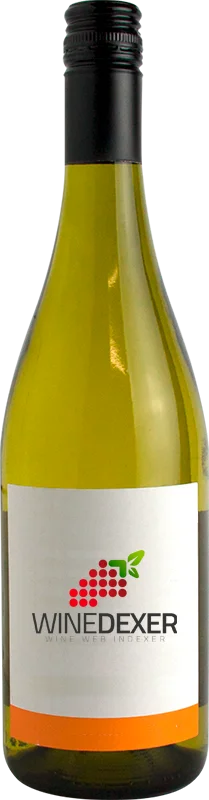
Winery АгролайнПедро Хименес (Pedro Ximénez)
 White wine
This wine generally goes well with
The Педро Хименес (Pedro Ximénez) of the Winery Агролайн is in the top 80 of wines of Dagestan.

Details and technical informations about Winery Агролайн's Педро Хименес (Pedro Ximénez).
Discover the grape variety: Muskat Oliver
Fine aromatic whites with a pale golden colour, supple palate with fresh acidity, signature muscat aromas (rose, fresh grape), peach, white flowers and delicate spiced notes. Early ripening. Grown in Hungary, Slovakia and the Czech Republic for characterful aromatic white wines of Central Europe. Synonym of the Hungarian Irsai Oliver, aromatic white variety bred in 1930 by Pál Kocsis (Pozsonyi Fehér × Pearl of Csaba).
Informations about the Winery Агролайн
The Winery Агролайн is one of of the world's greatest estates. It offers 15 wines for sale in the of Dagestan to come and discover on site or to buy online.

The wine region of Dagestan
Russian republic on the Caspian coast, country's second largest vineyard (26%), climate ranging from semi-arid to continental, ancestral wild vines in the mountains. Muscat Derbentskiy aromatic white king: vibrant with fresh grape, rose, citrus and honey — from dry to sweet solar. Rare indigenous Agadai, Asyl Kara, Gimra, Narma. Dense Cabernet and Saperavi reds (blackberry, black cherry, spice).
The word of the wine: Grape
Fruit of the vine in the form of bunches of grapes, also called berries, attached to the stalk. The grapes used to make wine are known as grape varieties, a generic word that designates many types of vine plant with their own characteristics.