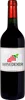
Winery Africa FiveShiraz
 Red wine



In the mouth this red wine is a powerful with a nice balance between acidity and tannins.
This wine generally goes well with poultry, beef or game (deer, venison).

Taste structure of the Shiraz from the Winery Africa Five
Light | Bold | |
Smooth | Tannic | |
Dry | Sweet | |
Soft | Acidic |
In the mouth the Shiraz of Winery Africa Five in the region of Western Cape is a powerful with a nice balance between acidity and tannins.
Food and wine pairings with Shiraz
Pairings that work perfectly with Shiraz



Original food and wine pairings with Shiraz

The Shiraz of Winery Africa Five matches generally quite well with dishes of beef, lamb or game (deer, venison) such as recipes of daube niçoise, lamb tagine with broad beans or baked leg of daguet or roe deer.
Details and technical informations about Winery Africa Five's Shiraz.
Discover the grape variety: Danuta
Simple, fresh dry whites with a pale golden colour, supple palate with moderate acidity, undemonstrative aromas of citrus and white flowers. Productive. Grown in small quantities in central Europe for sustainably managed vineyards and hobby growers, mainly used for fresh consumption and organic viticulture. White hybrid variety bred through complex crossing for disease resistance.
Last vintages of this wine
The best vintages of Shiraz from Winery Africa Five are 0
Informations about the Winery Africa Five
The Winery Africa Five is one of of the world's greatest estates. It offers 12 wines for sale in the of Western Cape to come and discover on site or to buy online.

The wine region of Western Cape
Cradle of South African wine. Signature Chenin Blanc (Steen, 20%) in ample, fresh whites with notes of quince, yellow apple, honey and acacia flower, from crisp dry to sweet. Sharp, iodised Sauvignon Blanc (Walker Bay, Constantia), balanced Chardonnay. Reds: emblematic Pinotage with roasted aromas (coffee, plum, smoke), firm Cabernet Sauvignon, spicy Syrah.
The word of the wine: Disgorging (champagne)
This is the evacuation of the deposit formed by the yeasts during the second fermentation in the bottle, by opening the bottle. The missing volume is completed with the liqueur de dosage - a mixture of wine and cane sugar - before the final cork is placed. For some years now, some producers have been replacing this sugar with rectified concentrated musts (concentrated grape juice) which give excellent results. A too recent dosage (less than three months) harms the gustatory harmony of the champagne.