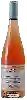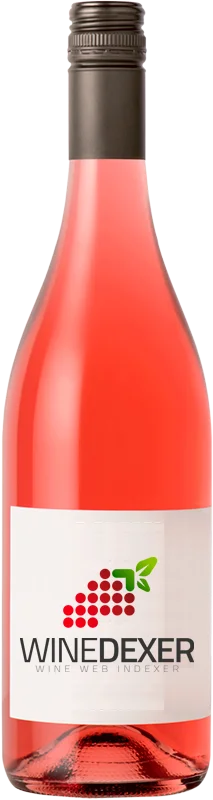
Winery Adet SewardLe Rosé d'Anjou
 Pink wine



This wine generally goes well with

Details and technical informations about Winery Adet Seward's Le Rosé d'Anjou.
Discover the grape variety: Calitor gris
Light, pale and lightly coloured whites and rosés with a pale golden to salmon colour, a light, low-alcohol palate and discreet aromas of white flowers, light red fruits and neutral notes. An easy-drinking profile. Now marginal, found only in ampelographic collections or with a few passionate growers in the Var. Grey-skinned mutation of Calitor, a traditional southern variety once widespread in Provence.
Last vintages of this wine
The best vintages of Le Rosé d'Anjou from Winery Adet Seward are 2013, 2012, 2014, 2011
Informations about the Winery Adet Seward
The Winery Adet Seward is one of of the world's greatest estates. It offers 42 wines for sale in the of Rosé d'Anjou to come and discover on site or to buy online.

The wine region of Rosé d'Anjou
Iconic tender rosé from the south bank of the Anjou Loire: signature dominant Grolleau blended with Cabernet Franc, Cabernet Sauvignon, Gamay, Côt and Pineau d'Aunis — friendly off-dry rosés with vibrant aromas of strawberry, raspberry, redcurrant, violet and English candy touches. Robe from pale to intense pink, tender perfumed palate balancing roundness and freshness. Direct pressing or short maceration preserves finesse. Accessible quaffable everyday summer AOC.
The wine region of Loire Valley
Kingdom of lively, dry whites and fine sparklers. Mineral, taut Sauvignon Blanc (Sancerre, Pouilly-Fumé) with citrus and gunflint notes. Multiform Chenin Blanc (Vouvray, Savennières, Layon): straight dry, floral off-dry or noble sweet honey-quince. Saline, iodised Muscadet (Melon B.
The word of the wine: White winemaking
White wines are obtained by fermentation of the juice after pressing. A pre-fermentation maceration is sometimes practiced to extract the aromatic substances from the skins. White wines are normally made from white grapes, but can also be made from red grapes (blanc de noirs). The grapes are then pressed as soon as they arrive at the vat house without maceration in order to prevent the colouring matter contained in the skins from "staining" the wine.