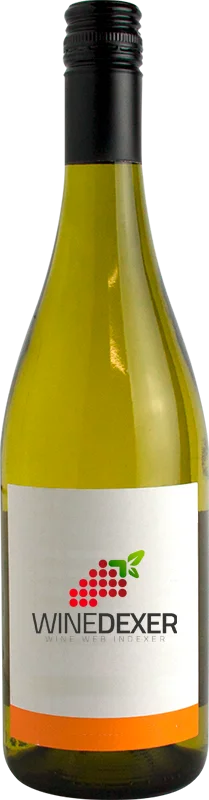
Winery XoxoPinot Grigio Sangria
 Sweet wine


This wine generally goes well with poultry, veal or shellfish.
Food and wine pairings with Pinot Grigio Sangria
Pairings that work perfectly with Pinot Grigio Sangria



Original food and wine pairings with Pinot Grigio Sangria
The Pinot Grigio Sangria of Winery Xoxo matches generally quite well with dishes of veal, shellfish or poultry such as recipes of ardéchoise fly, oven-roasted breton lobster with salted butter from the jaguin brothers (the... or cheeseburger.
Details and technical informations about Winery Xoxo's Pinot Grigio Sangria.
Discover the grape variety: Palieri
This variety was obtained in 1958 in Velletri (Italy) by Michèle Palieri by crossing Alphonse Lavallée and molinera gorda or red malaga. Because of its great vigour, it is ideal for creating a trellis or a pergola. Little known in France, it can be found in Italy, Spain, Portugal, Morocco, etc.
Last vintages of this wine
The best vintages of Pinot Grigio Sangria from Winery Xoxo are 0
Informations about the Winery Xoxo
The Winery Xoxo is one of of the world's great estates. It offers 9 wines for sale in the of Ontario to come and discover on site or to buy online.

The wine region of Ontario
Ontario is the most populated and prolific wine producing province in Canada. The Long established wine industry here is centered around the Great Lakes of Erie and Ontario, where the continental Climate is moderated heavily by the large bodies of water. The majority of wines produced in Ontario are Dry table wines (around 60 percent are white and 40 percent red). They are mostly made from Riesling, Cabernet Franc, Chardonnay, and Pinot Noir.
The word of the wine: Thick
Said of a heavy, pasty wine lacking in finesse.