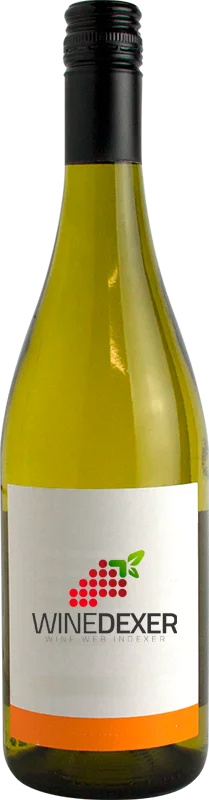
Winery Xavier JacquelineCombe Aux Moines Malvoisie
 White wine


This wine generally goes well with

Wine flavors and olphactive analysis


On the nose the Combe Aux Moines Malvoisie of Winery Xavier Jacqueline in the region of Savoie often reveals types of flavors of earth, tree fruit.
Details and technical informations about Winery Xavier Jacqueline's Combe Aux Moines Malvoisie.
Discover the grape variety: Merlot blanc
Simple, fresh dry whites, with a pale golden robe, a supple palate with moderate acidity on undemonstrative citrus and white flower aromas. Discreet rustic profile. Almost extinct, preserved in INRAE varietal collections for its patrimonial value, it testifies to the pre-phylloxera ampelographic diversity of the Bordeaux region. Rare French white variety, with no genetic link to red Merlot despite the name.
Last vintages of this wine
The best vintages of Combe Aux Moines Malvoisie from Winery Xavier Jacqueline are 2018, 0
Informations about the Winery Xavier Jacqueline
The Winery Xavier Jacqueline is one of of the world's greatest estates. It offers 11 wines for sale in the of Vin de Savoie to come and discover on site or to buy online.

The wine region of Vin de Savoie
French Alpine AOC between lakes and mountains (~1,755 ha, 71% whites). Lively, mineral whites dominate. Signature Jacquere of the Apremont, Abymes, Chignin crus: with signature notes of white flowers, green apple, citrus, almond and gunflint, a taut and thirst-quenching palate — the Savoyard aperitif with fondue or raclette. Altesse (Roussette) more noble and broad (honey, hazelnut, ripe citrus).
The wine region of Savoie
French Alpine vineyard with unique native grapes. Signature Jacquère in whites (~50% of the vineyard): lively, light dry wines with white flowers, green apple, citrus, fresh almond and a mineral touch, perfect with fondue and raclette. Ampler Altesse (Roussette) (pear, honey, hazelnut). Fruity, peppery Mondeuse reds (cherry, violet, firm tannins), light Gamay and fine Pinot Noir.
The word of the wine: Old vines
There are no specific regulations governing the term "vieilles vignes". After 20 to 25 years, the yields stabilize and tend to decrease, the vines are deeply rooted, and the grapes that come from them give richer, more concentrated, more sappy wines, expressing with more nuance the characteristics of their terroir. It is possible to find plots of vines that claim to be a century old.