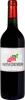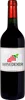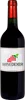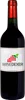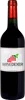
Winery WunderlichKékfrankos
 Red wine


This wine generally goes well with
Wine flavors and olphactive analysis

On the nose the Kékfrankos of Winery Wunderlich in the region of Dél-Pannónia often reveals types of flavors of black fruit.
Details and technical informations about Winery Wunderlich's Kékfrankos.
Discover the grape variety: Petit Courbu
Petit Courbu blanc is a grape variety that originated in France (Pyrenees). It produces a variety of grape specially used for wine making. It is rare to find this grape to eat on our tables. This variety of grape is characterized by small bunches and small grapes. Petit Courbu blanc can be found in many vineyards: South West, Languedoc & Roussillon, Cognac, Bordeaux, Provence & Corsica, Rhone Valley, Loire Valley, Savoie & Bugey, Beaujolais, Armagnac.
Last vintages of this wine

The best vintages of Kékfrankos from Winery Wunderlich are 2011, 0, 2009
Informations about the Winery Wunderlich
The Winery Wunderlich is one of of the world's great estates. It offers 58 wines for sale in the of Villány to come and discover on site or to buy online.

The wine region of Villány
The wine region of Villány is located in the region of Dél-Pannónia of Hungary. We currently count 114 estates and châteaux in the of Villány, producing 854 different wines in conventional, organic and biodynamic agriculture. The wines of Villány go well with generally quite well with dishes .
The wine region of Dél-Pannónia
Hungary/eszak-dunantul/pannonhalma">Pannonhalma is a wine region in north-western Hungary. It constitutes the eastern corner of Transdanubia, the traditional region of Hungary which Lies across the Danube (trans danubia) from the Hungarian capital Budapest. As this corner of Hungary focuses mainly on red wine production, Pannonhalma's vineyards are planted mostly with the Bordeaux wine grapes Cabernet Sauvignon, Cabernet Franc, Merlot, as well as Burgundy's Pinot Noir. Pannonhalma is situated just south-east of Gyor, the regional capital of Gyor-Moson-Sopron county (of which Sopron makes up the western third), and the western Transdanubia region.
The word of the wine: Concentrator
A device that removes water from grape must by reverse osmosis or entropy system. Its proponents say that it is better to remove water than to add sugar to produce more alcohol. The improperly used concentrator can also exaggerate bad tastes or greenness of tannins.