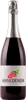
Winery WonderwerkFree Your Soul
 wine
wine
This wine generally goes well with
The Free Your Soul of the Winery Wonderwerk is in the top 0 of wines of Mokelumne River.

Details and technical informations about Winery Wonderwerk's Free Your Soul.
Discover the grape variety: Carcajolo noir
Light, fruity reds with a clear ruby robe, soft tannins and an airy palate with preserved acidity on cherry, Mediterranean herbs and notes of Corsican maquis. Airy profile. Preserved for its patrimonial value in the Corsican CRVI collections and on a few parcels of growers attached to insular ampelography. Autochthonous black Corsican variety (synonym of Carcajolo Nero), grown in confidential quantities in Corse-du-Sud.
Last vintages of this wine


The best vintages of Free Your Soul from Winery Wonderwerk are 0
Informations about the Winery Wonderwerk
The Winery Wonderwerk is one of of the world's greatest estates. It offers 5 wines for sale in the of Mokelumne River to come and discover on site or to buy online.

The wine region of Mokelumne River
Historic heart of Lodi (California, 85,700 acres), birthplace of Californian Zinfandel with century-old own-rooted vines (1901, some late 19th century): old-vine Zinfandel signature of luxuriant fruitiness, soft tannins and spicy complexity. Over 100 grape varieties cultivated. Sandy and loamy free-draining soils, Mediterranean climate moderated by Delta breezes — finesse over exuberance. East side more vivid, west more ample and earthy, classic Lodi profile.
The wine region of California
Powerful, sunny reds: dense Napa Cabernet Sauvignon (blackcurrant, chocolate, tobacco, ample tannins), spicy, jammy Zinfandel from the Sierra Foothills, silky red-fruited Pinot Noir on the cool coast (Sonoma, Russian River, Central Coast). Opulent, buttery Chardonnay, notes of yellow fruit and vanilla. Varied climate, from the hot interior to the Pacific-cooled coast. 80% of US production, 139 AVAs including Napa (1st AVA, 1981).
The word of the wine: Film maceration
A technique that consists of leaving the grapes to macerate in the open air at a low temperature before fermentation, thus enhancing the aromatic expression of the wine.