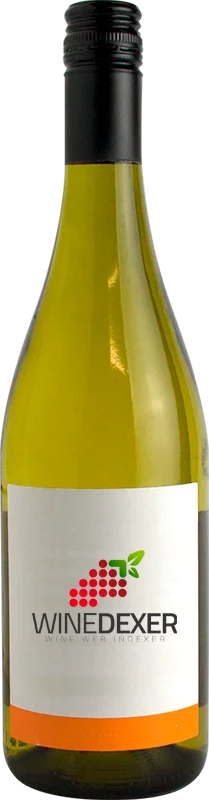
Winery Winnica ŁanyPolonez Classic White
 White wine



This wine generally goes well with
The Polonez Classic White of the Winery Winnica Łany is in the top 40 of wines of Poland and in the top 5 of wines of Podkarpacie.
Wine flavors and olphactive analysis


On the nose the Polonez Classic White of Winery Winnica Łany in the region of Podkarpacie often reveals types of flavors of vegetal, tree fruit or citrus fruit and sometimes also flavors of floral, tropical fruit.
Details and technical informations about Winery Winnica Łany's Polonez Classic White.
Discover the grape variety: Seyval blanc
A relative of the Saint Pepin, this direct-producing hybrid is the result of an interspecific cross between 5656 Seibel and Ray d'Or (4986 Seibel) obtained in 1921 by the Seyve-Villard company, formerly based in Saint Vallier (Drôme). Seyval blanc is registered in the official catalogue of wine grape varieties, list A. It can be found in the United States, Canada, Brazil, Australia, South Africa, Great Britain, the Netherlands, Germany, Romania, Switzerland, etc. It is practically non-existent in France and is in danger of disappearing.
Last vintages of this wine
The best vintages of Polonez Classic White from Winery Winnica Łany are 2020, 0, 2019, 2018
Informations about the Winery Winnica Łany
The Winery Winnica Łany is one of of the world's greatest estates. It offers 3 wines for sale in the of Podkarpacie to come and discover on site or to buy online.

The wine region of Podkarpacie
The wine region of of Poland. Wineries and vineyards like the Domaine Winnica Łany or the Domaine Winnica Łany produce mainly wines white, red and pink. The most planted grape varieties in the region of are Seyval blanc, Cabernet-Cortis and Cabernet-Dorsa, they are then used in wines in blends or as a single variety. On the nose of often reveals types of flavors of non oak, oak or red fruit and sometimes also flavors of dried fruit, vegetal or tree fruit.
The word of the wine: Size (champagne)
Juices that flow from the press after the cuvée, at the second pressing. Less fine, often more vegetal, it is mainly used to make the first price champagnes.