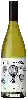
Winery Wilton FarmThe Long Harvest Sauvignon Blanc
 wine
wine
This wine generally goes well with
The The Long Harvest Sauvignon Blanc of the Winery Wilton Farm is in the top 0 of wines of Marlborough.
Details and technical informations about Winery Wilton Farm's The Long Harvest Sauvignon Blanc.
Discover the grape variety: Alphonse Lavallée
Alphonse Lavallée noir is a grape variety that originated in France. It produces a variety of grape used for wine making. However, it can also be found eating on our tables! This variety of grape is characterized by large bunches and large grapes. Alphonse Lavallée noir can be found in several vineyards: South-West, Cognac, Bordeaux, Rhône valley, Languedoc & Roussillon, Provence & Corsica, Loire valley, Savoie & Bugey, Beaujolais.
Informations about the Winery Wilton Farm
The Winery Wilton Farm is one of of the world's greatest estates. It offers 4 wines for sale in the of Marlborough to come and discover on site or to buy online.

The wine region of Marlborough
The wine region of Marlborough is located in the region of South Island of New Zealand. We currently count 1237 estates and châteaux in the of Marlborough, producing 3419 different wines in conventional, organic and biodynamic agriculture. The wines of Marlborough go well with generally quite well with dishes .
The wine region of South Island
Central Otago, near the bottom of New Zealand's South Island, vies for the title of world's most southerly wine region. Vineyards cling to the sides of mountains and high above river gorges in this dramatic landscape. Pinot Noir has proven itself in this challenging Terroir, and takes up nearly three-quarters of the region's vineyard area. The typical Central Otago Pinot Noir is intense and deeply colored, with flavors of doris plum, Sweet spice and bramble.
The word of the wine: Performance
Quantity of grapes harvested per hectare. In AOC, the average yield is limited on the proposal of the appellation syndicate, validated by the Inao. The use of high-performance plant material (especially clones) and better control of vine diseases have increased yields. This is not without consequences on the quality of the wines (dilution) and on the state of the market (too much wine). We must not over-simplify: low yields are not synonymous with quality, and it is often in years with generous harvests that we find the greatest vintages (1982 and 1986 in Bordeaux, 1996 in Champagne, 1990 and 2005 in Burgundy...).