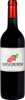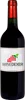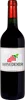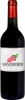
Winery WelvanpasAmity
 White wine
This wine generally goes well with

Details and technical informations about Winery Welvanpas's Amity.
Discover the grape variety: Impératriz
A table grape with long bunches and golden berries with thin skin and juicy flesh, delivering a pleasant sweet flavour. Early-ripening. Very rarely vinified. Now rare, surviving in a few amateur gardens and ampelographic collections. A witness to French table-grape heritage, it is among the ancient varieties preserved for their patrimonial interest. A French white table grape, once cultivated for fresh consumption.
Informations about the Winery Welvanpas
The Winery Welvanpas is one of of the world's greatest estates. It offers 10 wines for sale in the of Wellington to come and discover on site or to buy online.

The wine region of Wellington
South African Cape Winelands district 60 km from Cape Town: Shiraz signature king red — concentrated and powerful with notes of blackberry, plum, black cherry, pepper, Mediterranean spices and smoky touch, firm tannins and velvety finish. Dense Cabernet Sauvignon and emblematic Pinotage (cherry, blackberry, coffee, smoke). Chenin Blanc and Viognier as fresh floral whites. WO, hot Mediterranean climate with mild winters, varied terroirs at the foot of the Hawekwa mountains, old vines.
The wine region of Western Cape
Cradle of South African wine. Signature Chenin Blanc (Steen, 20%) in ample, fresh whites with notes of quince, yellow apple, honey and acacia flower, from crisp dry to sweet. Sharp, iodised Sauvignon Blanc (Walker Bay, Constantia), balanced Chardonnay. Reds: emblematic Pinotage with roasted aromas (coffee, plum, smoke), firm Cabernet Sauvignon, spicy Syrah.
The word of the wine: Maceration
Prolonged contact and exchange between the juice and the grape solids, especially the skin. Not to be confused with the time of fermentation, which follows maceration. The juice becomes loaded with colouring matter and tannins, and acquires aromas. For a rosé, the maceration is short so that the colour does not "rise" too much. For white wines too, a "pellicular maceration" can be practised, which allows the wine to acquire more fat.