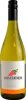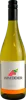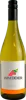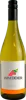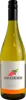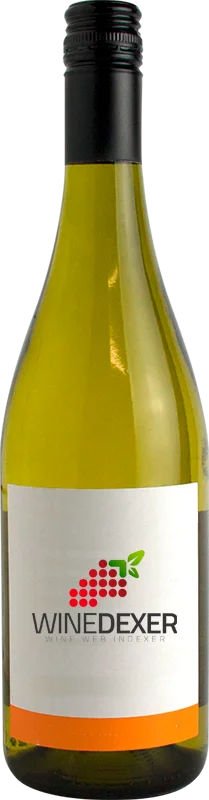
Weingut ZehnthofFrederic Kruger Grauer Burgunder Trocken
 White wine
In the mouth this white wine is a .
This wine generally goes well with pork, cured meat or mushrooms.

Taste structure of the Frederic Kruger Grauer Burgunder Trocken from the Weingut Zehnthof
Light | Bold | |
Dry | Sweet | |
Soft | Acidic |
In the mouth the Frederic Kruger Grauer Burgunder Trocken of Weingut Zehnthof in the region of Nahe is a .
Food and wine pairings with Frederic Kruger Grauer Burgunder Trocken
Pairings that work perfectly with Frederic Kruger Grauer Burgunder Trocken


Original food and wine pairings with Frederic Kruger Grauer Burgunder Trocken

The Frederic Kruger Grauer Burgunder Trocken of Weingut Zehnthof matches generally quite well with dishes of pork, spicy food or mushrooms such as recipes of traditional flemish carbonades, thai basil chicken or rabbit with cider and mushrooms.
Details and technical informations about Weingut Zehnthof's Frederic Kruger Grauer Burgunder Trocken.
Discover the grape variety: Chenanson
Supple, fruity reds with intense ruby colour, soft tannins and a generous palate, showing aromas of red fruits (raspberry, cherry), plum, soft spices and Mediterranean notes. Approachable style to drink young. Grown in Languedoc-Roussillon and the south-east for Pays-d'Oc IGP and modern southern blends. French variety created in 1958 in Montpellier by Paul Truel (Grenache × Jurançon noir).
Informations about the Weingut Zehnthof
The Weingut Zehnthof is one of of the world's great estates. It offers 17 wines for sale in the of Nahe to come and discover on site or to buy online.

The wine region of Nahe
Homeland of a mineral Riesling of exceptional geological expression: lively, precise whites with notes of peach, citrus, green apple, gunflint and fine salinity, from taut dry to botrytised sweet. 75% whites, Riesling king (27%) complemented by round Pinot Gris and supple Pinot Blanc. Rising reds: silky Spätburgunder with red fruit, darker Dornfelder. 4,240 ha along the Nahe river, among the most diverse soils in Germany (180 formations).
The word of the wine: Presses
The juice that results from pressing the grapes after fermentation. At the end of the maceration, the vats are emptied, the first juice obtained is called the free-run wine and the marc remaining at the bottom of the vat is then pressed to give the press wine. We say more quickly "the presses". Their quality varies according to the vintage and the maceration. A too vigorous extraction releases the tannins of pips and the wine of press can then prove to be very astringent. Often the winemaker raises it separately, deciding later whether or not to incorporate it totally or partially into the grand vin.