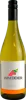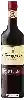
Weingut SchulzeBad Kösener Schöne Aussicht Bacchus Lieblich
 White wine
This wine generally goes well with
Details and technical informations about Weingut Schulze's Bad Kösener Schöne Aussicht Bacchus Lieblich.
Discover the grape variety: Cabernet-Sauvignon
Cabernet-Sauvignon noir is a grape variety that originated in France (Bordeaux). It produces a variety of grape specially used for wine making. It is rare to find this grape to eat on our tables. This variety of grape is characterized by small bunches, and small grapes. Cabernet-Sauvignon noir can be found in many vineyards: South-West, Loire Valley, Languedoc & Roussillon, Cognac, Bordeaux, Armagnac, Rhone Valley, Provence & Corsica, Savoie & Bugey, Beaujolais.
Informations about the Weingut Schulze
The Weingut Schulze is one of of the world's great estates. It offers 49 wines for sale in the of Saale-Unstrut to come and discover on site or to buy online.

The wine region of Saale-Unstrut
Saale-Unstrut is the northernmost of Germany's 13 wine-growing regions. At 51 degrees northern latitude, it is one of the most northerly wine regions in the world. It takes its name from the two rivers on the banks of which the Vines of the region grow, and is composed of three non-contiguous Parts located mainly in the federal state of Saxony-Anhalt, with around 650 hectares (1600 acres) of Vineyards, often terraced, on South and south-west-facing slopes along the narrow river valleys. A smaller area of 20 hectares (50 acres) is located in the state of Thüringen and a block of just 7 hectares (17 acres) in Brandenburg.
The word of the wine: Smell
A generic term for both unpleasant and pleasant odours known as perfumes. In the world of tasting, the term aroma is more commonly used.