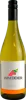
Weingut PilchSämling 88 Klassik
 White wine



This wine generally goes well with
Details and technical informations about Weingut Pilch's Sämling 88 Klassik.
Discover the grape variety: Scheurebe
German grape variety obtained in 1916 by Georg Shere (1879/1949). It was given until then as coming from a cross between Riesling and Sylvaner, but genetic tests have shown that its father is the Bouquettraube (Bukettrebe), and it is closely related to the Kerner. The Scheurebe can be found in Austria, Germany, Belgium, Switzerland, the Netherlands, Italy, Slovenia, Great Britain, the United States (California, Virginia, ...), Canada (Ontario, British Columbia, ...), ... practically unknown in France.
Last vintages of this wine
The best vintages of Sämling 88 Klassik from Weingut Pilch are 0
Informations about the Weingut Pilch
The Weingut Pilch is one of of the world's greatest estates. It offers 10 wines for sale in the of Südsteiermark to come and discover on site or to buy online.

The wine region of Südsteiermark
The wine region of Südsteiermark is located in the region of Steiermark of Steirerland of Austria. We currently count 170 estates and châteaux in the of Südsteiermark, producing 1220 different wines in conventional, organic and biodynamic agriculture. The wines of Südsteiermark go well with generally quite well with dishes .
The wine region of Steirerland
Steiermark, or Styria, is the southernmost wine producing region in Austria, based around the city of Graz and stretching out towards the border with Slovenia. The hilly terrain and the region's cool take on the MediterraneanClimate mean that viticulture here is markedly different from the rest of Austria. Steiermark's specialties include Sauvignon Blanc, wines made from the Traminer family and Schiclher, a rustic local rosé made from Blauer Wildbacher. Hardonnay">Chardonnay (often labeled "Morillon"), Weissburgunder and Welschriesling are other important varieties grown here.
The word of the wine: R-C (champagne)
Harvesting-cooperator. It is the cooperative which elaborates the champagne of its members from their mixed contributions. It gives them bottles on which they stick their own label. It is legal without being intellectually honest. When you walk around the Champagne region, you may come across signs that say "Vigneron récoltant" to indicate a member of a cooperative. You can always ask him where his vats and press are.