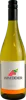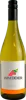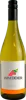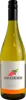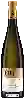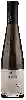
Weingut Disibodenberg - Klostermühle OdernheimMontfort Spätburgunder Beerenauslese
 Sweet wine


This wine generally goes well with vegetarian

Food and wine pairings with Montfort Spätburgunder Beerenauslese
Pairings that work perfectly with Montfort Spätburgunder Beerenauslese

Original food and wine pairings with Montfort Spätburgunder Beerenauslese
The Montfort Spätburgunder Beerenauslese of Weingut Disibodenberg - Klostermühle Odernheim matches generally quite well with dishes of vegetarian such as recipes of goat cheese and bacon quiche.
Details and technical informations about Weingut Disibodenberg - Klostermühle Odernheim's Montfort Spätburgunder Beerenauslese.
Discover the grape variety: Sagrantino
Monumental, intensely colored reds with a deep dark ruby robe, the world's most powerful tannins and a dense palate, with signature aromas of ripe black fruits (blackberry, blackcurrant), plum, spices, Mediterranean herbs, leather and balsamic notes. Exceptional ageing potential. The undisputed star of Sagrantino di Montefalco DOCG, one of Italy's great reds. Indigenous Italian variety from Umbria, grown almost exclusively around Montefalco.
Last vintages of this wine
The best vintages of Montfort Spätburgunder Beerenauslese from Weingut Disibodenberg - Klostermühle Odernheim are 2011, 0
Informations about the Weingut Disibodenberg - Klostermühle Odernheim
The Weingut Disibodenberg - Klostermühle Odernheim is one of of the world's greatest estates. It offers 42 wines for sale in the of Nahe to come and discover on site or to buy online.

The wine region of Nahe
Homeland of a mineral Riesling of exceptional geological expression: lively, precise whites with notes of peach, citrus, green apple, gunflint and fine salinity, from taut dry to botrytised sweet. 75% whites, Riesling king (27%) complemented by round Pinot Gris and supple Pinot Blanc. Rising reds: silky Spätburgunder with red fruit, darker Dornfelder. 4,240 ha along the Nahe river, among the most diverse soils in Germany (180 formations).
The word of the wine: Hat
Solid part (marc), composed of pips and skins (sometimes of the stalk), which forms at the top of the tank during fermentation. The pigeage consists in breaking this cap to put back in suspension these elements and to favour the exchanges between the juice and the skins.