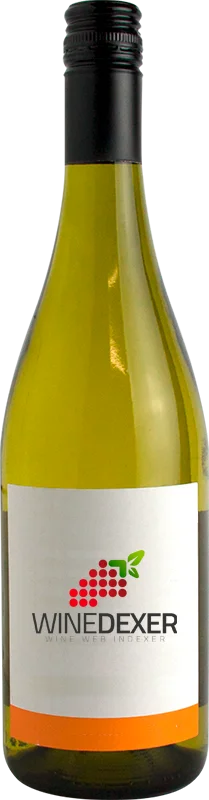
Weingut Bernd KilburgBlauer Spätburgunder Blanc de Noirs Feinherb
 White wine



This wine generally goes well with vegetarian
Food and wine pairings with Blauer Spätburgunder Blanc de Noirs Feinherb
Pairings that work perfectly with Blauer Spätburgunder Blanc de Noirs Feinherb

Original food and wine pairings with Blauer Spätburgunder Blanc de Noirs Feinherb
The Blauer Spätburgunder Blanc de Noirs Feinherb of Weingut Bernd Kilburg matches generally quite well with dishes of vegetarian such as recipes of mushroom, bacon and gruyere quiche.
Details and technical informations about Weingut Bernd Kilburg's Blauer Spätburgunder Blanc de Noirs Feinherb.
Discover the grape variety: Mara
Intraspecific cross between gamay noir and reichensteiner obtained in 1970 by André Jacquinet at the Agroscope Changins-Wädenswil research station (Switzerland). From these same parents he also obtained the gamaret and the garanoir. It should not be confused with the Romanian direct producer hybrid, also black, resulting from an interspecific cross between 12 303 Seyve-Villard and ozana. Mara is mainly cultivated in Switzerland and is virtually unknown in France.
Last vintages of this wine
The best vintages of Blauer Spätburgunder Blanc de Noirs Feinherb from Weingut Bernd Kilburg are 2009, 0
Informations about the Weingut Bernd Kilburg
The Weingut Bernd Kilburg is one of of the world's greatest estates. It offers 38 wines for sale in the of Mosel to come and discover on site or to buy online.

The wine region of Mosel
Mosel is the most famous of Germany's 13 official wine regions, and also the third largest in terms of production. As with many German regions, it is most aasociated with a range of wine styles made from the Riesling grape variety, but Müller-Thurgau is also widely planted. The best Mosel Riesling wines are some of the finest whites in the world. Light and low in Alcohol, they can be intensely fragrant with beguiling Floral">floral and Mineral notes, and a wonderful Balance of sweetness and Acidity.
The word of the wine: Film maceration
A technique that consists of leaving the grapes to macerate in the open air at a low temperature before fermentation, thus enhancing the aromatic expression of the wine.