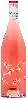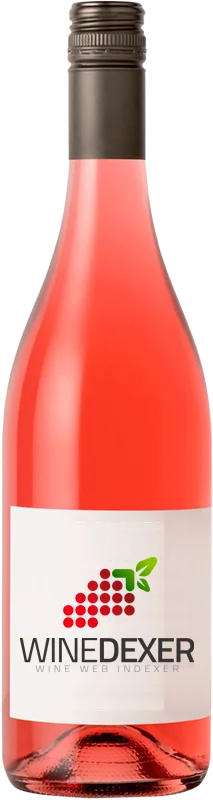
Winery Vinya TaujanaRosat
 Pink wine



This wine generally goes well with

Details and technical informations about Winery Vinya Taujana's Rosat.
Discover the grape variety: Manto negro
Supple, sun-kissed reds with a clear ruby robe, melted tannins and moderate acidity. Aromas of ripe red fruits (cherry, raspberry), garrigue, Mediterranean herbs, soft spices and balsamic notes. Round, warm palate. Star of Binissalem DO and pillar of Pla i Llevant DO on the clay-limestone soils of Majorca; also vinified into expressive rosés. Native Spanish variety from the Balearic Islands, emblematic of the archipelago.
Last vintages of this wine
The best vintages of Rosat from Winery Vinya Taujana are 0
Informations about the Winery Vinya Taujana
The Winery Vinya Taujana is one of of the world's greatest estates. It offers 4 wines for sale in the of Binissalem-Mallorca to come and discover on site or to buy online.

The wine region of Binissalem-Mallorca
Mallorcan DO at the island's heart around the village of Binissalem: signature native Manto Negro as red king (>=50%) — medium body signature profile with moderate tannins, ripe cherry, plum, raspberry and wild strawberry aromas, touches of Mediterranean herbs, dried earth and spices, leather and tobacco nuances on aging. Callet and Gorgollassa as complement, Premsal Blanc and Moscatel in whites. Limestones and clays, Mediterranean climate with hot summers, young friendly wines.
The wine region of Iles Baléares
Spanish Mediterranean archipelago (Majorca, Minorca, Ibiza), warm insular climate, limestone soils. Manto Negro (Majorca, 320 ha, native): supple and silky with red cherry, raspberry, plum, Mediterranean herbs and spicy hint, fine tannins and moderate alcohol. Round and fragrant Callet (native) solo or blended (young and rosé). Cabernet and Merlot for ageing cuvées.
The word of the wine: Yeast
Micro-organisms at the base of all fermentative processes. A wide variety of yeasts live and thrive naturally in the vineyard, provided that treatments do not destroy them. Unfortunately, their replacement by laboratory-selected yeasts is often the order of the day and contributes to the standardization of the wine. Yeasts are indeed involved in the development of certain aromas.