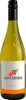
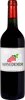
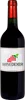
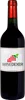
Winery Vincenzo TortoraPenisola Sorrentina Gragnano
 wine
wine
This wine generally goes well with
The Penisola Sorrentina Gragnano of the Winery Vincenzo Tortora is in the top 0 of wines of Penisola Sorentina.

Details and technical informations about Winery Vincenzo Tortora's Penisola Sorrentina Gragnano.
Discover the grape variety: Frühburgunder
Elegant, structured reds with a clear ruby hue, fine and smooth tannins and an airy palate with fresh acidity; signature aromas of red fruits (cherry, raspberry), forest floor, gentle spices and floral notes. Very early-ripening, contributing to great German reds with a Burgundian character. Grown mainly in Franken, Rheinhessen and Württemberg. Native German black grape, an early-ripening mutation of Pinot Noir.
Informations about the Winery Vincenzo Tortora
The Winery Vincenzo Tortora is one of of the world's greatest estates. It offers 10 wines for sale in the of Penisola Sorentina to come and discover on site or to buy online.

The wine region of Penisola Sorentina
Campanian DOC on the Sorrento Peninsula facing Capri (Province of Naples), volcanic terraced soils, breezy Mediterranean climate. Piedirosso signature red (≥40%): supple and fruity with cherry, plum, herbs and volcanic mineral hints, smooth tannins — often blended with Aglianico. Falanghina signature white (≥40%): dry and floral with citrus, orange blossom, apple and mineral notes, taut acidity. Sub-zones Gragnano, Lettere and Sorrento.
The wine region of Campania
Cradle of southern Italy's great wines on volcanic soils. Majestic Aglianico in red: structured, deep and tannic with notes of black cherry, candied plum, leather and spices, sublimated in age-worthy Taurasi DOCG, the "Barolo of the south". Identity whites of Irpinia: opulent Fiano di Avellino (honey, hazelnut), mineral iodine Greco di Tufo, aromatic Falanghina (peach, flowers). Also supple Piedirosso.
The word of the wine: Oxidized
Altered by oxidation.