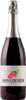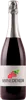
Winery Vina LagunaPerla Rosé Brut
 Sparkling wine



This wine generally goes well with
Wine flavors and olphactive analysis

On the nose the Perla Rosé Brut of Winery Vina Laguna in the region of Istra often reveals types of flavors of tree fruit, red fruit.
Details and technical informations about Winery Vina Laguna's Perla Rosé Brut.
Discover the grape variety: Verjus
A very old grape variety, probably of southern origin, which was once found in many French regions including Picardy, it once abounded in the Seine basin and Burgundy, generally grown on trellises, arbors, against walls, etc. A very beautiful stump is now found climbing along the walls of the Reims Sciences Po Campus (Marne), given as being over 300 years old. It was also known in Italy, Germany, ... and well before the phylloxera crisis and because of its great vigour, it was customary to graft on "Verjus" varieties that lacked it. Today, it is on the verge of extinction, but it can be found among a few amateur gardeners who sometimes use it as an ornamental vine. Note that it has never been used as a wine grape because its wine is frankly bad.
Last vintages of this wine
The best vintages of Perla Rosé Brut from Winery Vina Laguna are 2018, 0
Informations about the Winery Vina Laguna
The Winery Vina Laguna is one of of the world's great estates. It offers 26 wines for sale in the of Istra to come and discover on site or to buy online.

The wine region of Istra
The wine region of Istra of Croatia. Wineries and vineyards like the Domaine Meneghetti or the Domaine Medea produce mainly wines white, red and sweet. The most planted grape varieties in the region of Istra are Terrano, Merlot and Cabernet-Sauvignon, they are then used in wines in blends or as a single variety. On the nose of Istra often reveals types of flavors of pineapple, quince or hay and sometimes also flavors of grass, honeysuckle or truffle.
The word of the wine: Fruity
A wine whose nose is first characterized by aromas reminiscent of the world of fruit. A wine to be drunk young is essentially fruity, but all wines offer this type of aroma in the first place, which can evolve over time, from the scent of fresh fruit to cooked, stewed, candied or brandied fruit.