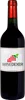
Winery Vin Art PincészetCsanád Cuvée Premium
 wine
wine
This wine generally goes well with
The Csanád Cuvée Premium of the Winery Vin Art Pincészet is in the top 0 of wines of Villány.

Details and technical informations about Winery Vin Art Pincészet's Csanád Cuvée Premium.
Discover the grape variety: Kéknyelű
Mineral and structured whites for ageing, with a golden colour, a taut palate with high acidity, and signature aromas of white flowers (acacia), citrus (lemon, grapefruit), flint and typified volcanic notes. Prestigious and exclusive profile. Star of Badacsony, grown almost exclusively on the volcanic slopes of Mount Badacsony above Lake Balaton; a Hungarian patrimonial jewel. Native Hungarian white variety from the Balaton region.
Informations about the Winery Vin Art Pincészet
The Winery Vin Art Pincészet is one of of the world's greatest estates. It offers 8 wines for sale in the of Villány to come and discover on site or to buy online.

The wine region of Villány
Hungary's hottest region, kingdom of powerful reds in the south. Signature Cabernet Franc ("Villányi Franc"): deep and refined with notes of ripe blackcurrant, black pepper, violet, graphite and tobacco, firm tannins and great ageing potential. Also fleshy, spicy Kékfrankos (Blaufränkisch), supple, fruity Portugieser, round Merlot and dense Cabernet Sauvignon. Successful Bordeaux blends.
The wine region of Dél-Pannónia
Southern Hungary (Pécs, Szekszárd, Villány, Tolna), ~7,800 ha on loess and limestone, continental climate with Mediterranean influences — bastion of great Hungarian reds. Kékfrankos and Kadarka signatures as native red kings: spiced and structured with black cherry, blackberry, plum, paprika, pepper and smoky hint, firm tannins. Ripe Cabernet Franc and Sauvignon in Bordeaux blends at Villány. Specialities Szekszárdi Bikavér and unique Cirfandli white at Pécs (spiced, honeyed).
The word of the wine: Disgorging (champagne)
This is the evacuation of the deposit formed by the yeasts during the second fermentation in the bottle, by opening the bottle. The missing volume is completed with the liqueur de dosage - a mixture of wine and cane sugar - before the final cork is placed. For some years now, some producers have been replacing this sugar with rectified concentrated musts (concentrated grape juice) which give excellent results. A too recent dosage (less than three months) harms the gustatory harmony of the champagne.