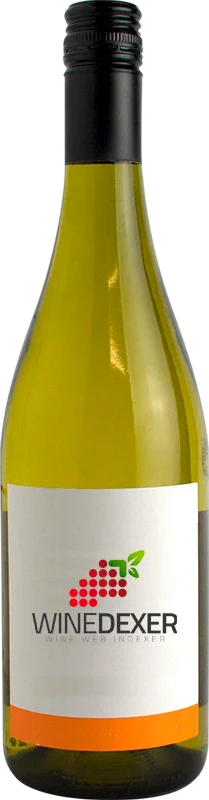
Winery Villa NoriaLa Noria Organic Blanc
 White wine



In the mouth this white wine is a .
This wine generally goes well with vegetarian, poultry or lean fish.

Taste structure of the La Noria Organic Blanc from the Winery Villa Noria
Light | Bold | |
Dry | Sweet | |
Soft | Acidic |
In the mouth the La Noria Organic Blanc of Winery Villa Noria in the region of Pays d'Oc is a .
Food and wine pairings with La Noria Organic Blanc
Pairings that work perfectly with La Noria Organic Blanc



Original food and wine pairings with La Noria Organic Blanc


The La Noria Organic Blanc of Winery Villa Noria matches generally quite well with dishes of pasta, vegetarian or poultry such as recipes of cannelloni with salmon and spinach, zucchini quiche or quick cider chicken.
Details and technical informations about Winery Villa Noria's La Noria Organic Blanc.
Discover the grape variety: Olaszrizling
Crisp and aromatic dry whites with a pale golden colour, supple palate and refreshing acidity, with signature aromas of citrus (lemon), white flowers (acacia), almond, white stone fruit (apple) and mineral notes. Also made as round, candied botrytised sweet wines. A pillar of Hungarian dry white wines around Lake Balaton and in Tokaj. The Hungarian synonym for Welschriesling, an indigenous central European white variety.
Last vintages of this wine
The best vintages of La Noria Organic Blanc from Winery Villa Noria are 2015
Informations about the Winery Villa Noria
The Winery Villa Noria is one of of the world's greatest estates. It offers 19 wines for sale in the of Pays d'Oc to come and discover on site or to buy online.

The wine region of Pays d'Oc
The single-grape IGP par excellence: modern, accessible, frank and fruity wines, the popular signature of the Midi. Spicy Syrah reds (pepper, blackberry), round Merlot, structured Cabernet, generous Grenache, supple Cinsault. Crisp, tangy rosés. Opulent Chardonnay whites, lively Sauvignon, floral, apricoty Viognier.
The word of the wine: Hat
Solid part (marc), composed of pips and skins (sometimes of the stalk), which forms at the top of the tank during fermentation. The pigeage consists in breaking this cap to put back in suspension these elements and to favour the exchanges between the juice and the skins.


