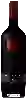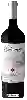
Winery Villa DoraLacryma Christi del Vesuvio Rosso
 wine
wine
This wine generally goes well with
The Lacryma Christi del Vesuvio Rosso of the Winery Villa Dora is in the top 0 of wines of Campania.
Details and technical informations about Winery Villa Dora's Lacryma Christi del Vesuvio Rosso.
Discover the grape variety: Négret castrais
The négret castrais is called mauzac noir. It is in the region of Toulouse that we find this variety doomed to disappear. Its origins are to be found in the Gaillac region, where it reaches maturity during the second period. The plant likes clay-limestone soils. It can be recognized by its late buds. Its bunches have short peduncles bearing compact, truncated cone-shaped loads. They are often winged and loaded with medium-sized berries. The pulp is covered with a thick skin whose colour is more or less red depending on the sun exposure of the bunch. Worms, excoliosis and powdery mildew are the main enemies of this variety. When vinified, Castres Negret gives off a fairly good character from its mauzac stock. The wine gives off notes of vanilla, apple, pear and jasmine. The juice is not very colourful and light in the mouth.
Informations about the Winery Villa Dora
The Winery Villa Dora is one of of the world's greatest estates. It offers 9 wines for sale in the of Campania to come and discover on site or to buy online.

The wine region of Campania
Campania is a region that forms the "tibia" of the boot of Italy, and whose largest city is Naples. Its name comes from Campania felix, a Latin phrase meaning roughly "happy land". The region has strong historical links with wine and vineyards, dating back to the 12th century BC, and is one of the oldest wine regions in Italy. The considerable influence of ancient empires, including the Greeks, Romans and Byzantines, means that some of the varieties in this region are linked to historical legends.
The word of the wine: Tressallier
White grape variety from the Allier region, identical to the Sacy variety grown in Burgundy. Rarely vinified on its own, it is used in the blending of Saint-Pourçain white wines, associated with chardonnay, the main grape variety of the appellation. Syn.: sacy.