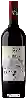
Vignobles CharpentierOdile de Jamard Lussac-Saint-Émilion
 wine
wine
This wine generally goes well with
The Odile de Jamard Lussac-Saint-Émilion of the Vignobles Charpentier is in the top 0 of wines of Lussac-Saint-Émilion.

Details and technical informations about Vignobles Charpentier's Odile de Jamard Lussac-Saint-Émilion.
Discover the grape variety: Gibert
Light, simple fruity reds with a lightly coloured clear ruby robe, soft tannins, airy palate and moderate acidity; unassuming aromas of red fruits. Discreet, rustic style. Nearly extinct, preserved in INRAE varietal collections, it testifies to the pre-phylloxera ampelographic diversity of the South-West. Rare French black grape, formerly cultivated in the South-West.
Informations about the Vignobles Charpentier
The Vignobles Charpentier is one of of the world's greatest estates. It offers 5 wines for sale in the of Lussac-Saint-Émilion to come and discover on site or to buy online.

The wine region of Lussac-Saint-Émilion
Northern Saint-Émilion satellite on the Bordeaux Right Bank (AOC 1936, ~72,000 hl/year): rich, silky reds dominated by Merlot — ripe red and black fruits, candied plum, pepper, undergrowth and animal leather notes with age, melted tannins and velvety texture. Cabernet Franc, Cabernet Sauvignon, Malbec and Petit Verdot in blends. Varied terroirs: southeastern clay-limestone hillsides typical of Saint-Émilion and gravelly western plateau, generous and accessible identity.
The wine region of Bordeaux
World-renowned age-worthy reds, led by round Merlot (plum, black fruit) or firm Cabernet Sauvignon (blackcurrant, cedar, graphite), blended with Cabernet Franc and Petit Verdot for tannic structure. Structured Médoc and Graves, velvety Saint-Émilion and Pomerol. Also crisp dry whites (Sauvignon/Sémillon) and opulent sweet Sauternes with honey and candied fruit. A 110,000 ha Gironde vineyard, 65 appellations, cradle of the 1855 classified growths.
The word of the wine: Performance
Quantity of grapes harvested per hectare. In AOC, the average yield is limited on the proposal of the appellation syndicate, validated by the Inao. The use of high-performance plant material (especially clones) and better control of vine diseases have increased yields. This is not without consequences on the quality of the wines (dilution) and on the state of the market (too much wine). We must not over-simplify: low yields are not synonymous with quality, and it is often in years with generous harvests that we find the greatest vintages (1982 and 1986 in Bordeaux, 1996 in Champagne, 1990 and 2005 in Burgundy...).