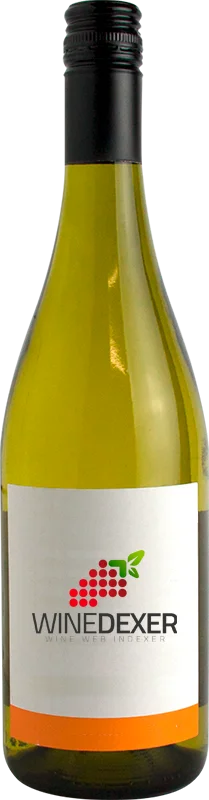
Vignoble CamyPinot Gris
 White wine


In the mouth this white wine is a powerful.
This wine generally goes well with pork, cured meat or mushrooms.
The Pinot Gris of the Vignoble Camy is in the top 90 of wines of Quebec.

Taste structure of the Pinot Gris from the Vignoble Camy
Light | Bold | |
Dry | Sweet | |
Soft | Acidic |
In the mouth the Pinot Gris of Vignoble Camy in the region of Quebec is a powerful.
Food and wine pairings with Pinot Gris
Pairings that work perfectly with Pinot Gris


Original food and wine pairings with Pinot Gris

The Pinot Gris of Vignoble Camy matches generally quite well with dishes of pork, spicy food or mushrooms such as recipes of quiche with mixed vegetables, rib steak, tomato sauce, peppers. or salmon koulibiac.
Details and technical informations about Vignoble Camy's Pinot Gris.
Discover the grape variety: Pinot gris
Rich, ample whites with a golden robe, showing aromas of pear, quince, honey, smoke, ginger and spice. Made as structured dry wines (Alsace AOC), off-dry and sumptuous late-harvest sweet (vendange tardive, sélection de grains nobles). Lighter and crisper in Italy as Pinot Grigio (Veneto, Friuli). Also in Germany (Grauburgunder), Hungary (Szürkebarát) and Oregon. A grey mutation of Pinot Noir.
Last vintages of this wine
The best vintages of Pinot Gris from Vignoble Camy are 0
Informations about the Vignoble Camy
The Vignoble Camy is one of of the world's greatest estates. It offers 2 wines for sale in the of Quebec to come and discover on site or to buy online.

The wine region of Quebec
Booming Canadian vineyard (~70 estates, 400+ ha), an extreme continental climate (-36 C) imposing hardy hybrid grapes. A world-renowned speciality: golden ice wines with signature notes of honey, candied apricot, yellow peach, mango and crisp acidity, a sweet-lively balance — made from frozen-harvested Vidal. Fruity Frontenac reds (cherry, plum, spice), lively Seyval Blanc and Saint-Pepin whites (citrus, white flowers). 1.
The word of the wine: Aging
Period during which a wine is kept in a cellar where it goes through different phases of evolution of its aromatic range and a maturation of its constituents (evolution of the colour, refining of the tannins, harmonization of the different flavours, etc.). The wine evolves better and less quickly in large containers, whereas it deteriorates prematurely in half-bottles.