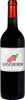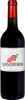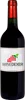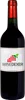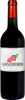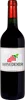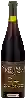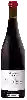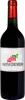
Winery Vignes et Terroirs du BeaujolaisDomaine des Ravinets Saint-Amour
 Red wine



In the mouth this red wine is a with a nice freshness.
This wine generally goes well with pork, poultry or veal.

Taste structure of the Domaine des Ravinets Saint-Amour from the Winery Vignes et Terroirs du Beaujolais
Light | Bold | |
Smooth | Tannic | |
Dry | Sweet | |
Soft | Acidic |
In the mouth the Domaine des Ravinets Saint-Amour of Winery Vignes et Terroirs du Beaujolais in the region of Beaujolais is a with a nice freshness.
Food and wine pairings with Domaine des Ravinets Saint-Amour
Pairings that work perfectly with Domaine des Ravinets Saint-Amour



Original food and wine pairings with Domaine des Ravinets Saint-Amour

The Domaine des Ravinets Saint-Amour of Winery Vignes et Terroirs du Beaujolais matches generally quite well with dishes of pasta, veal or pork such as recipes of lasagna bolognese, veal colombo or savoyard pizza (cream base).
Details and technical informations about Winery Vignes et Terroirs du Beaujolais's Domaine des Ravinets Saint-Amour.
Discover the grape variety: Gamay noir
Light, juicy reds, low in tannins with crunchy freshness, showing aromas of wild strawberry, raspberry, banana (from carbonic maceration) and peony. Easy-drinking style of Beaujolais Nouveau, more structured and mineral on the granites of the ten crus (Morgon, Moulin-à-Vent, Fleurie, Brouilly). Also in Touraine, Auvergne and Swiss Romande. A Burgundian variety, a cross of Pinot Noir × Gouais Blanc.
Last vintages of this wine
The best vintages of Domaine des Ravinets Saint-Amour from Winery Vignes et Terroirs du Beaujolais are 2016, 2015, 2018, 2017
Informations about the Winery Vignes et Terroirs du Beaujolais
The Winery Vignes et Terroirs du Beaujolais is one of of the world's greatest estates. It offers 33 wines for sale in the of Saint-Amour to come and discover on site or to buy online.

The wine region of Saint-Amour
Northernmost cru of Beaujolais, Gamay sole grape on ~300 ha. Fine and perfumed signature reds with notes of cherry, strawberry, raspberry, peony, violet, sweet spices and mineral touch, silky tannins and silky mouth — the tenderest of the ten crus, to drink young or keep 3-5 years. 17 identified terroirs (granite, schist, clays). Valentine's Day marketing star thanks to evocative name.
The wine region of Beaujolais
Kingdom of Gamay (98% of the vineyard): fruity, accessible reds with signature notes of cherry, raspberry, banana (carbonic maceration), violet and sweet spices, supple tannins and juicy acidity. From festive Beaujolais Nouveau (3rd Thursday of November) to the 10 more structured, age-worthy Crus: deep earthy Morgon, sturdy Moulin-à-Vent, floral Fleurie, crunchy Brouilly. Some lively Chardonnay. 12,000 ha south of Burgundy, granitic soils.
The word of the wine: Muscat blanc à petits grains
A white grape variety cultivated since antiquity on the shores of the Mediterranean, it is considered the noblest of the muscats. It is mainly used to make sweet wines, often from mutage. In France, it is the sole variety used in many natural sweet wines: muscat-de-frontignan, muscat-de-mireval, muscat-de-lunel, muscat-de-saint-jean-de-minervois, muscat-de-beaumes-de-venise, muscat-du-cap-corse. Combined with Muscat d'Alexandrie, it gives Muscat-de-Rivesaltes. It is also used to make sparkling white wines (clairette-de-die; moscato d'asti and asti spumante in Italy) and dry wines (alsace-muscat). Powerfully aromatic and complex, its wines evoke fresh grapes, roses, exotic fruits, citrus fruits and spices.