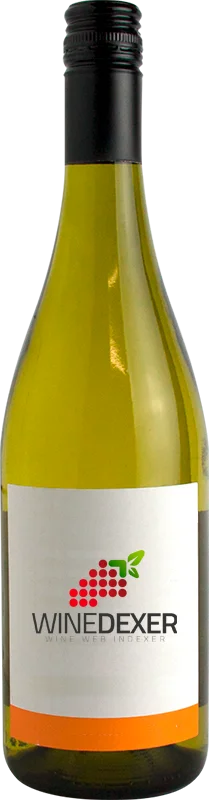
Winery Vega de LucíaGodello
 White wine



This wine generally goes well with
The Godello of the Winery Vega de Lucía is in the top 40 of wines of Monterrei.
Details and technical informations about Winery Vega de Lucía's Godello.
Discover the grape variety: Mourvaison
Mourvaison noir is a grape variety that originated in France (Provence). It produces a variety of grape specially used for wine making. It is rare to find this grape to eat on our tables. This variety of grape is characterized by medium-sized bunches and medium-sized grapes. Mourvaison noir can be found in several vineyards: South-West, Cognac, Bordeaux, Provence & Corsica, Rhone valley, Loire valley, Savoie & Bugey, Beaujolais.
Last vintages of this wine
The best vintages of Godello from Winery Vega de Lucía are 2018, 2015, 0, 2017
Informations about the Winery Vega de Lucía
The Winery Vega de Lucía is one of of the world's greatest estates. It offers 1 wines for sale in the of Monterrei to come and discover on site or to buy online.

The wine region of Monterrei
The wine region of Monterrei is located in the region of Galice of Spain. Wineries and vineyards like the Domaine Crego e Monaguillo or the Domaine Ladairo produce mainly wines white, red and pink. The most planted grape varieties in the region of Monterrei are Mencia, Tempranillo and Albarino, they are then used in wines in blends or as a single variety. On the nose of Monterrei often reveals types of flavors of tropical, orange or oak and sometimes also flavors of pineapple, cream or grapefruit.
The wine region of Galice
Galicia is one of the 17 first-level administrative regions (called comunidades autónomas) of Spain. It occupies the northwestern corner of the Iberian Peninsula, and is exposed on two sides to the Atlantic Ocean. To the South is Portugal, to the east Castilla y Leon. Viticulture has a Long tradition in Galicia, introduced to the region by the ancient Romans and continued by monks throughout the Middle Ages.
The word of the wine: Metis (grape variety)
A grape variety resulting from the crossing of two varieties of the same species. For example, pinotage (a South African grape variety) is the result of crossing pinot noir and cinsault.