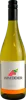
Winery BrandVin D'Alsace Kefferberg Ergersheim
 Red wine


This wine generally goes well with
Details and technical informations about Winery Brand's Vin D'Alsace Kefferberg Ergersheim.
Discover the grape variety: Picardan
Picardan is a white grape variety from Provence. Currently, this variety no longer exists. It is otherwise known as gallet blanc, grosse clairette, aragnan, papadoux or milhaud blanc. It is also called œillade blanche, but it has nothing to do with the œillade noire grape variety.Picardan has cottony buds and fairly large leaves. Its truncated cone-shaped bunches of grapes are tightly packed. The berries are smaller than those of Cinsault and are rather pinkish in colour when they reach maturity. Like Cinsault, Picardy is a late bloomer with a sweet, musky aroma. Vigorous, it is not too afraid of grey rot, but it is more sensitive to erinosis. Picardan is one of the grape varieties used in the Châteauneuf-du-Pape appellation. It gives a wine with a particular bouquet and when it is associated with other grape varieties such as mourvèdre or syrah. The rosé wine it produces is of good quality.
Informations about the Winery Brand
The Winery Brand is one of of the world's greatest estates. It offers 2 wines for sale in the of Alsace to come and discover on site or to buy online.

The wine region of Alsace
Alsace, located in the extreme north-east of France, is Distinguished from other French wine regions by its strong Franco-Germanic influences. These influences are the result of a back-and-forth between the German and French sovereignties over the last few centuries. They can be seen not only in the architecture and culture of Alsace, but also in the wines. Alsace wines are produced under three main appellations: Alsace and Alsace Grand Cru for still white wines (Sweet and Dry), and Crémant d'Alsace for Sparkling wines.
The word of the wine: Aging on lees
Maturing on the lees enhances the stability, aromatic complexity and texture of white wines, which gain in body and volume. This phenomenon is induced by autolysis, the process of self-degradation of the lees.