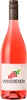
Urban Press WineryDue Vigne Blanc
 wine
wine
This wine generally goes well with
The Due Vigne Blanc of the Urban Press Winery is in the top 0 of wines of Sonoma County.

Details and technical informations about Urban Press Winery's Due Vigne Blanc.
Discover the grape variety: Plavina
Supple, fruity reds with a clear ruby colour, smooth tannins and an airy, fresh palate; signature aromas of red fruits (cherry, raspberry), Mediterranean herbs (thyme, rosemary) and Dalmatian garrigue notes. Also as fresh, easy-drinking Croatian rosés. Often blended with Plavac Mali for accessible Dalmatian reds. Indigenous Croatian black grape, grown on the Dalmatian coast, mainly in Central Dalmatia.
Informations about the Urban Press Winery
The Urban Press Winery is one of of the world's great estates. It offers 26 wines for sale in the of Sonoma County to come and discover on site or to buy online.

The wine region of Sonoma County
Accessible, quality Californian mosaic north of San Francisco: signature Pinot Noir as king red on the cool side (Russian River, Sonoma Coast) — fine and silky with notes of cherry, raspberry, undergrowth and a spicy touch. Ample Chardonnay (apple, vanilla). Dense Cabernet Sauvignon in Alexander Valley (blackcurrant, cedar), spicy Zinfandel in Dry Creek (blackberry, pepper). 19 distinct AVAs, >60 grapes, foggy coast vs warm valleys.
The wine region of California
Powerful, sunny reds: dense Napa Cabernet Sauvignon (blackcurrant, chocolate, tobacco, ample tannins), spicy, jammy Zinfandel from the Sierra Foothills, silky red-fruited Pinot Noir on the cool coast (Sonoma, Russian River, Central Coast). Opulent, buttery Chardonnay, notes of yellow fruit and vanilla. Varied climate, from the hot interior to the Pacific-cooled coast. 80% of US production, 139 AVAs including Napa (1st AVA, 1981).
The word of the wine: Bâtonnage
A very old technique that has come back into fashion in modern oenology, which consists of shaking the white wine in the barrels at the end of fermentation, or after fermentation, with a stick or a flail, in order to suspend the fine lees composed of yeasts at the end of their activity. This process is sometimes used for red wines.