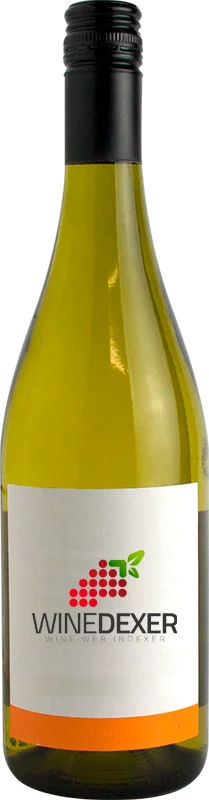
Winery UlianLevato Lorena
 White wine


This wine generally goes well with

Details and technical informations about Winery Ulian's Levato Lorena.
Discover the grape variety: Lledoner pelut
Generous, supple reds with an intense ruby hue, rounded tannins and a broad palate, with solar aromas of ripe red fruits (cherry, raspberry, pomegranate), black fruits, garrigue, soft spices and Mediterranean notes. Full-bodied and warm. Component of Côtes du Roussillon AOC, Côtes du Roussillon Villages AOC and Priorat DOQ blends. Hairy-leaved mutation of grenache noir (lledoner = grenache in Catalan), a Catalan-Roussillon signature.
Last vintages of this wine
The best vintages of Levato Lorena from Winery Ulian are 2018, 0
Informations about the Winery Ulian
The Winery Ulian is one of of the world's great estates. It offers 18 wines for sale in the of Serra Gaúcha to come and discover on site or to buy online.

The wine region of Serra Gaúcha
Brazil's wine capital, Rio Grande do Sul. Specialty: high-quality traditional-method sparklers, fine and fruity (apple, citrus, white flowers), elegant bubble, alpine expression of the south. Still wines mostly European: round fruity Merlot, firm Cabernet Sauvignon, more tannic Tannat, fresh Chardonnay, supple Riesling Italico, fine Pinot Noir. Marked by Italian immigration in 1875, humid climate tempered by altitude.
The wine region of Rio Grande do Sul
Brazil's winemaking heart (~80% of production), Italian tradition. Recognised specialty: traditional-method sparkling wines (espumantes), fresh and fruity, based on Chardonnay and Pinot Noir, among South America's finest. Accessible reds: supple, fruity Merlot (plum, cherry), fleshy Cabernet Sauvignon, dense, tannic Tannat. Round Chardonnay, light Riesling Italico, sweet, floral Moscato whites.
The word of the wine: Local wine
Table wine, but with the origin indicated. It corresponds to a particular legislation: the freedom to use grape varieties is greater than for the AOC, but the quality criteria such as the approval tastings can sometimes be more demanding. The legislation is still evolving, but for the moment there are three levels: regional (e.g. Vin de Pays d'Oc), departmental and local (e.g. Côtes de Thongue).