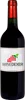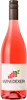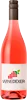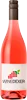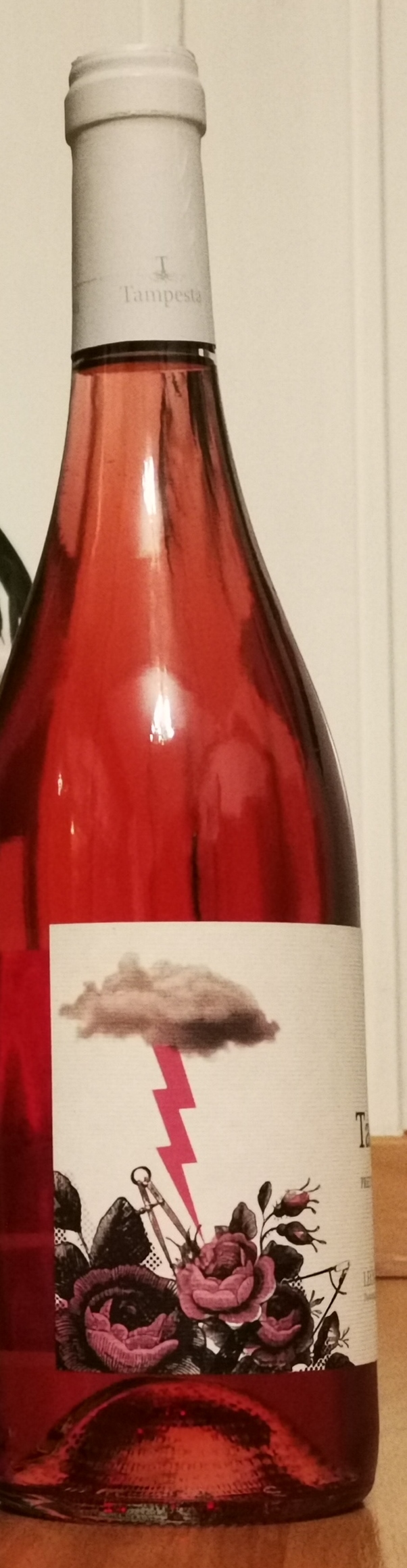
Winery Tierra de LéonRosado
 Pink wine


This wine generally goes well with
The Rosado of the Winery Tierra de Léon is in the top 70 of wines of Tierra de León.

Details and technical informations about Winery Tierra de Léon's Rosado.
Discover the grape variety: Corinto Nero
Small, intensely coloured seedless grapes, mainly destined for raisin production. More rarely vinified into confidential sweet and liqueur wines from the Aeolian Islands, with a dark colour, luscious palate and aromas of candied black fruit, raisins and spices. Grown in the Cyclades (island of Lipari) and southern Italy. A seedless mutation of the Corinth raisin, an ancient Greek black variety.
Last vintages of this wine
The best vintages of Rosado from Winery Tierra de Léon are 0
Informations about the Winery Tierra de Léon
The Winery Tierra de Léon is one of of the world's greatest estates. It offers 1 wines for sale in the of Tierra de León to come and discover on site or to buy online.

The wine region of Tierra de León
DO of northern Castile-Leon (since 2019 DO Leon), continental plateau, sandy and stony soils. Signature Prieto Picudo as red king (~70% of vineyard): deep and colored with black cherry, blackberry, plum, violet, licorice and spice notes, vivid acidity and firm tannins — unique and atypical character. Supple, fruity Mencia in the north (cherry, raspberry, herbs). Native Albarin Blanco as taut white (green apple, citrus, flowers).
The wine region of Castille-et-Léon
Cradle of great Castilian reds on high-altitude plateaus (450-1000 m) of the Duero. Tempranillo king (Tinto Fino, Tinta de Toro): powerful, structured reds with notes of black cherry, blackberry, plum, leather and spices, firm tannins and length worthy of long ageing. Stars: Ribera del Duero (Vega Sicilia, Pingus), fleshy Toro, Bierzo (fresh mineral Mencía). Lively herbaceous Verdejo whites from Rueda, cut grass and citrus.
The word of the wine: Seeds
A maximum of four, located in the heart of the grape berry, they contain tannins and nitrogenous matter.