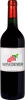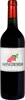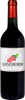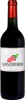
Winery Thomas AllenFree Run Verdelho
 White wine


This wine generally goes well with

Wine flavors and olphactive analysis



On the nose the Free Run Verdelho of Winery Thomas Allen in the region of Nouvelle-Galles du Sud often reveals types of flavors of earth, microbio or tree fruit and sometimes also flavors of citrus fruit, tropical fruit.
Details and technical informations about Winery Thomas Allen's Free Run Verdelho.
Discover the grape variety: Verdelho
Structured, taut whites with precise acidity and a slender mouth, featuring aromas of citrus (lemon, orange peel), dried fruits, toasted almond, Mediterranean herbs and pronounced saline notes. A historic pillar of medium-dry Madeira (one of the island's four classic noble grapes) where it develops complex oxidative notes. Also as structured dry whites in Douro DOC and Australia (Hunter Valley). Native Portuguese grape, unrelated to Spanish Verdejo.
Last vintages of this wine

The best vintages of Free Run Verdelho from Winery Thomas Allen are 2016, 0, 2017
Informations about the Winery Thomas Allen
The Winery Thomas Allen is one of of the world's greatest estates. It offers 26 wines for sale in the of Hunter Valley to come and discover on site or to buy online.

The wine region of Hunter Valley
Cradle of Australian viticulture (1825), 160 km north of Sydney. World signature: dry low-alcohol Sémillon (10-11°) with fresh citrus notes in youth, evolving after 10-15 years to candied lemon, toast, honey and beeswax, spectacular ageing. Medium-bodied "Hunter style" Shiraz, supple and earthy (leather, plum, sweet spices), capable of decades. Also Chardonnay and Verdelho.
The wine region of Nouvelle-Galles du Sud
Australia's 2nd wine state with diverse regions. Iconic Hunter Valley: a Sémillon unlike any other, straight, low-alcohol dry whites with vivid citrus when young, evolving over 10-20 years toward honey, toast and lanolin. Medium-bodied Hunter Shiraz, spicy and earthy (leather, red fruits). Also round Chardonnay and aromatic Verdelho.
The word of the wine: Amylic
Aroma reminiscent of banana, candy, and sometimes nail polish, particularly present in primeur wines. The amylic taste is reminiscent of the aromas of industrial confectionery and does not reflect a great expression of terroir.