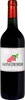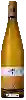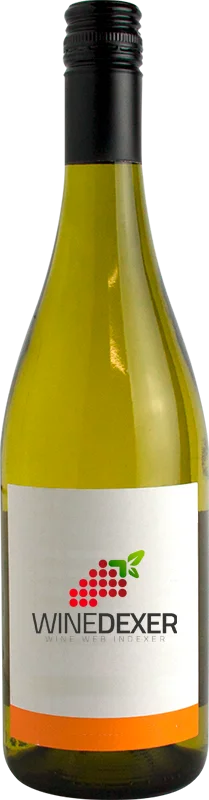
Winery The Roost At Red WingFrontenac
 White wine


This wine generally goes well with

Wine flavors and olphactive analysis

On the nose the Frontenac of Winery The Roost At Red Wing in the region of Ontario often reveals types of flavors of oak, tree fruit.
Details and technical informations about Winery The Roost At Red Wing's Frontenac.
Discover the grape variety: Frontenac
Deeply coloured, fruity reds with a dense purple robe, supple tannins and firm acidity, with intense aromas of black cherry, plum, blackcurrant, blackberry and spicy notes. Also made as expressive rosés and ice wines (Frontenac Gris). An extremely cold-hardy interspecific variety (down to -35°C on the vine), producing wines in cold US states (Minnesota, Wisconsin, Vermont) and Canada (Quebec). Created in 1996 at the University of Minnesota.
Last vintages of this wine
The best vintages of Frontenac from Winery The Roost At Red Wing are 0
Informations about the Winery The Roost At Red Wing
The Winery The Roost At Red Wing is one of of the world's greatest estates. It offers 8 wines for sale in the of Niagara Peninsula to come and discover on site or to buy online.

The wine region of Niagara Peninsula
World reference for Icewine: concentrated sweet wines from grapes frozen on the vine, golden colour, signature notes of candied apricot, mango, honey, citrus and exotic fruit, high sugar balanced by lively acidity. 90% of Canadian Icewine (Vidal for fruit, Riesling for finesse). Cool-climate still wines: mineral Riesling, precise Chardonnay, fine Pinot Noir, peppery Cabernet Franc. Southern shores of Lake Ontario.
The wine region of Ontario
World reference for Canadian Icewine: exceptional sweet wines from grapes frozen on the vine, golden colour, signature notes of candied apricot, mango, honey, citrus and exotic fruits, opulent sugar balanced by taut acidity (Vidal for fruit, Riesling for finesse). Cool-climate still wines: mineral, lively Riesling, precise Chardonnay, fine Pinot Noir (cherry, undergrowth), peppery Cabernet Franc. ~5,500 ha on the Niagara Peninsula between Lake Ontario and the escarpment, VQA.
The word of the wine: Deposit
Solid particles that can naturally coat the bottom of a bottle of wine. It is rather a guarantee that the wine has not been mistreated: in fact, to avoid the natural deposit, rather violent processes of filtration or cold passage (- 7 or - 8 °C) are used in order to precipitate the tartar (the small white crystals that some people confuse with crystallized sugar: just taste to dissuade you from it)