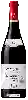
Domaine de la TerriereJean Coquard Beaujolais Gamay
 Red wine



In the mouth this red wine is a with a nice freshness.
This wine generally goes well with pork, poultry or veal.

Taste structure of the Jean Coquard Beaujolais Gamay from the Domaine de la Terriere
Light | Bold | |
Smooth | Tannic | |
Dry | Sweet | |
Soft | Acidic |
In the mouth the Jean Coquard Beaujolais Gamay of Domaine de la Terriere in the region of Beaujolais is a with a nice freshness.
Food and wine pairings with Jean Coquard Beaujolais Gamay
Pairings that work perfectly with Jean Coquard Beaujolais Gamay



Original food and wine pairings with Jean Coquard Beaujolais Gamay

The Jean Coquard Beaujolais Gamay of Domaine de la Terriere matches generally quite well with dishes of pasta, veal or pork such as recipes of trofie ( pasta ) paradiso, sauté of veal with corsican style or quick beef bourguignon.
Details and technical informations about Domaine de la Terriere's Jean Coquard Beaujolais Gamay.
Discover the grape variety: Balcic
Supple, fruity whites to drink young with a pale golden robe, an airy, low-alcohol palate with moderate acidity, and signature aromas of white-fleshed fruits (peach, pear), white flowers and light Muscat notes. Early-ripening. Grown in Dobrudja on the Romanian Black Sea coast, mainly destined for young consumption, it remains little-known outside its regions of origin. A Romanian white grape bred at Murfatlar by crossing with Riesling Italico.
Informations about the Domaine de la Terriere
The Domaine de la Terriere is one of of the world's greatest estates. It offers 3 wines for sale in the of Beaujolais to come and discover on site or to buy online.

The wine region of Beaujolais
Kingdom of Gamay (98% of the vineyard): fruity, accessible reds with signature notes of cherry, raspberry, banana (carbonic maceration), violet and sweet spices, supple tannins and juicy acidity. From festive Beaujolais Nouveau (3rd Thursday of November) to the 10 more structured, age-worthy Crus: deep earthy Morgon, sturdy Moulin-à-Vent, floral Fleurie, crunchy Brouilly. Some lively Chardonnay. 12,000 ha south of Burgundy, granitic soils.
The word of the wine: Botrytis cinerea
This fungus, also called noble rot, develops during the over-ripening phase and is an ally of great sweet white wines, when it concentrates the juice of the berries. It requires the humidity of morning fogs and beautiful sunny days, gives musts very rich in sugar and brings to the wines the famous taste of "roasted".