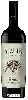
Winery Tenuta LarnianoneLarniano Chianti Riserva
 wine
wine
This wine generally goes well with
The Larniano Chianti Riserva of the Winery Tenuta Larnianone is in the top 0 of wines of Chianti.
Details and technical informations about Winery Tenuta Larnianone's Larniano Chianti Riserva.
Discover the grape variety: Belair
Intraspecific crossing between the barlinka and the Alphonse Lavallée obtained in 1974 in South Africa by E.P. Evans and P.J.L. Ellis. In the same country and with the same parents, other varieties were created such as happiness, la rochelle, ... . Belair is registered since 2012 in the Official Catalogue of table grape varieties list A2.
Last vintages of this wine


The best vintages of Larniano Chianti Riserva from Winery Tenuta Larnianone are 0
Informations about the Winery Tenuta Larnianone
The Winery Tenuta Larnianone is one of of the world's greatest estates. It offers 5 wines for sale in the of Chianti to come and discover on site or to buy online.

The wine region of Chianti
The wine region of Chianti is located in the region of Toscane of Italy. We currently count 1721 estates and châteaux in the of Chianti, producing 2759 different wines in conventional, organic and biodynamic agriculture. The wines of Chianti go well with generally quite well with dishes .
The wine region of Tuscany
Tuscany is one of the most famous and prolific wine regions in Europe. It is best known for its Dry red wines made from Sangiovese grapes, which dominate production. These include Chianti, Brunello di Montalcino and Vino Nobile di Montepulciano. The region's Vin Santo is also highly prized, as are its passito dessert wines, though these are produced in comparatively tiny quantities.
The word of the wine: Decanter
1) Glass container with a narrow neck used to aerate or decant the wine. 2) Decanter wines: wines that are drunk young and that were once drawn directly from the barrel. For example, some Muscadets or Beaujolais.