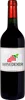
Winery Tenimenti CivaBiele Zôe Cuvée 85/15 Verduzzo Dolce
 Sweet wine



This wine generally goes well with
Details and technical informations about Winery Tenimenti Civa's Biele Zôe Cuvée 85/15 Verduzzo Dolce.
Discover the grape variety: Seibel 6468
Direct producer hybrid obtained by Albert Seibel (1844/1936), interbreeding between 4614 Seibel and 3011 Seibel. The 6468 Seibel was not multiplied very much, today it is not present in the vineyard anymore. It should be noted that it has been used in many other crosses to obtain, among others, the Villard blanc, the date tree of Saint Vallier, etc.
Last vintages of this wine
The best vintages of Biele Zôe Cuvée 85/15 Verduzzo Dolce from Winery Tenimenti Civa are 2016, 0
Informations about the Winery Tenimenti Civa
The Winery Tenimenti Civa is one of of the world's great estates. It offers 50 wines for sale in the of Venezia to come and discover on site or to buy online.

The wine region of Venezia
The wine region of Venezia is located in the region of Vénétie of Italy. Wineries and vineyards like the Domaine Venissa or the Domaine Rivani produce mainly wines white, red and sparkling. The most planted grape varieties in the region of Venezia are Merlot, Cabernet-Sauvignon and Chardonnay, they are then used in wines in blends or as a single variety. On the nose of Venezia often reveals types of flavors of elderflower, straw or mushroom and sometimes also flavors of white peach, tangerine or honeysuckle.
The wine region of Veneto
Veneto is an important and growing wine region in northeastern Italy. Veneto is administratively Part of the Triveneto area, aLong with its smaller neighbors, Trentino-Alto Adige and Friuli-Venezia Giulia. In terms of geography, culture and wine styles, it represents a transition from the Alpine and Germanic-Slavic end of Italy to the warmer, drier, more Roman lands to the South. Veneto is slightly smaller than the other major Italian wine regions - Piedmont, Tuscany, Lombardy, Puglia and Sicily - but it produces more wine than any of them.
The word of the wine: Disgorging (champagne)
This is the evacuation of the deposit formed by the yeasts during the second fermentation in the bottle, by opening the bottle. The missing volume is completed with the liqueur de dosage - a mixture of wine and cane sugar - before the final cork is placed. For some years now, some producers have been replacing this sugar with rectified concentrated musts (concentrated grape juice) which give excellent results. A too recent dosage (less than three months) harms the gustatory harmony of the champagne.